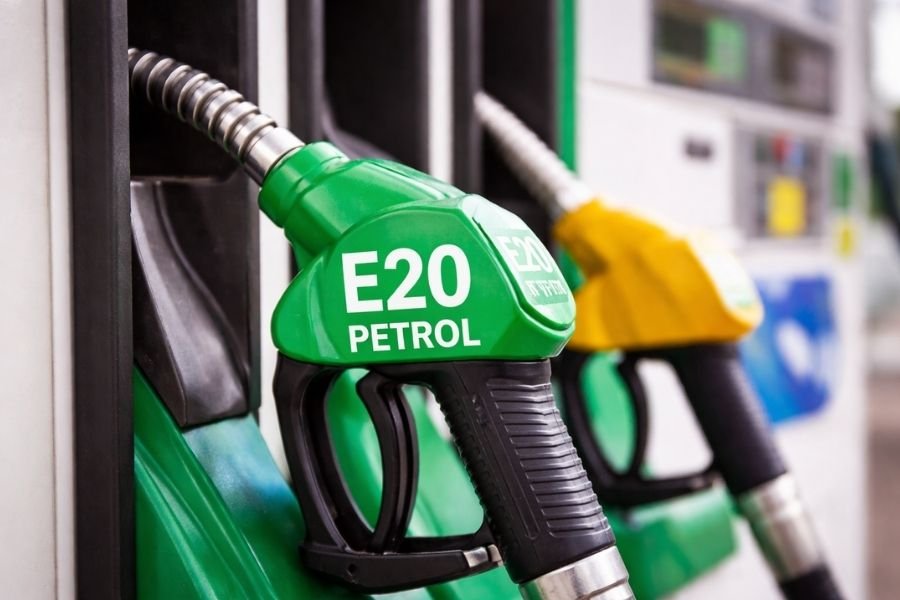
In a notification dated February 17, 2026, the Ministry of Petroleum and Natural Gas mandated the sales of up to 20% ethanol blended fuel (E20) with a minimum Research Octane Number (RON) of 95, in all the states and union territories, from April 1st, 2026. However, the central government can allow exceptions in special situations for specific regions and for a limited period. The government aims to move towards an E30 blend by 2030.
Do note that currently, not all fuel pumps across India offer E20 petrol. While E20 fuel has been rolled out in many cities, several regions are still transitioning, and the ethanol blend can vary, typically between E10 and E20 depending on supply and availability. The octane rating may also differ depending on the base petrol and ethanol blend.
Definitions that Matter
- Research Octane Number (RON) are measures of fuel stability. The higher the octane number, the lower the chance of knocking – a condition when fuel is ignited prematurely in the engine’s cylinder, causing inefficient combustion and potential engine damage over time.
- Ethanol is a renewable biofuel made from plant materials like corn, grains and sugarcane.
- E20 fuel is actually a blend of 20% ethanol and 80% petrol, designed to reduce carbon emissions and dependence on imported fossil fuels.
Benefits and Disadvantages of E20 Fuel
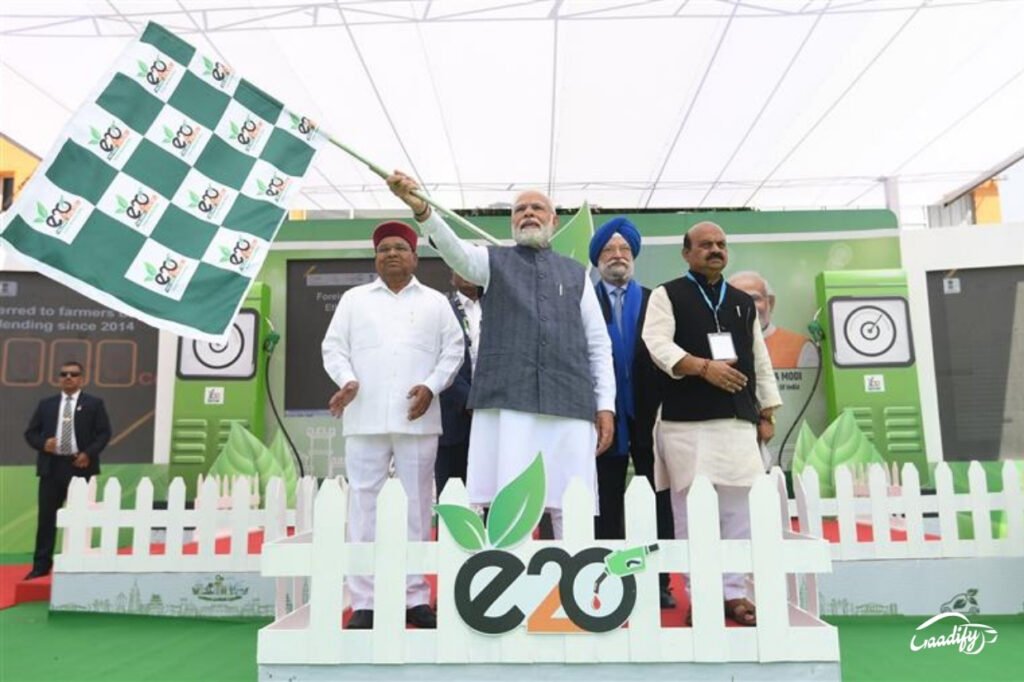
Since 2014-15, the substitution of petrol with ethanol blends has saved India more than Rs 1.40 lakh crore in foreign exchange by reducing crude oil imports. The new mandate is expected to further enhance these savings while pushing the country towards greener mobility and boosting the agriculture sector.
For those unaware, before the E20 fuel kicks in, the regular petrol (E10) sold in most parts of India had an octane rating of RON 91. This was the standard petrol available at fuel pumps. Premium petrol variants like XP95 (RON 95) and XP100 (RON 100) were optional and costlier. Now, with the E20 mandate requiring minimum RON 95, the base itself will have a higher octane rating than before.
As of now, all new vehicles sold in India are E20 fuel-compliant. However, older vehicles (non-E20-compliant) might see a significant drop in mileage by 3 to 15%. Additionally, rubber and plastic components like seals, hoses, fuel pumps, and injectors may wear out faster in such vehicles. This is because the ethanol is more corrosive and has a lower energy density compared to petrol.
Related: E20 Ethanol Blended Petrol Controversy in India: Impact, Concerns and Solutions Explained