Some motorcycle rides stay with you because of the roads, others because of the landscapes, and a few because of the people you meet along the way. My experience at Royal Enfield Himalayan Base Camp 2026 in Ladakh had all three.
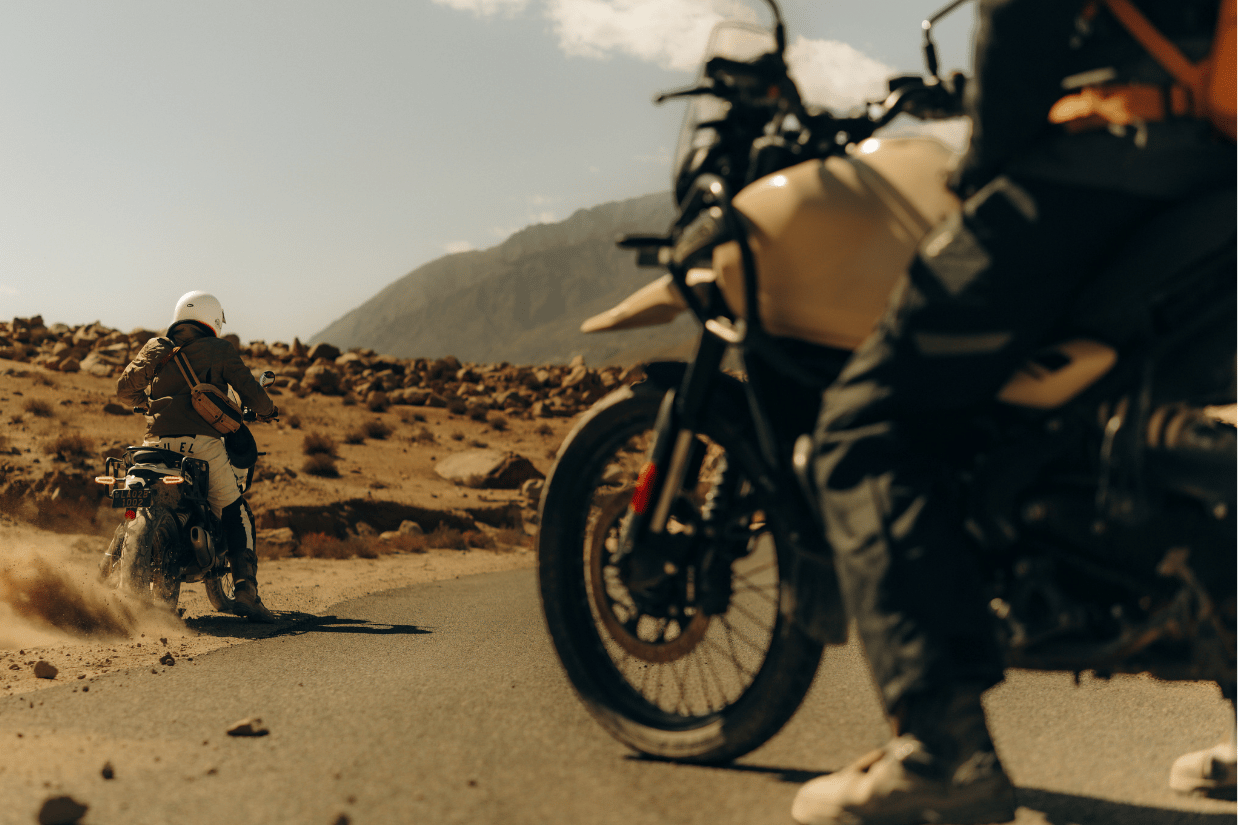
The Himalayan Base Camp 2026 kicked off on September 4 with the launch of the Royal Enfield Himalayan 440, setting the tone for three days dedicated to adventure and exploration. The event featured a packed programme of guided rides, off-road challenges, outdoor activities and cultural experiences across Ladakh, bringing together riders from different parts of the country and beyond. Among the many activities on offer, I opted for the Moonland Monastery Ride, which took us to Lamayuru Monastery and the surrounding Moonland landscape.
It was also my first time riding in a motorcycle convoy, making the experience even more memorable.

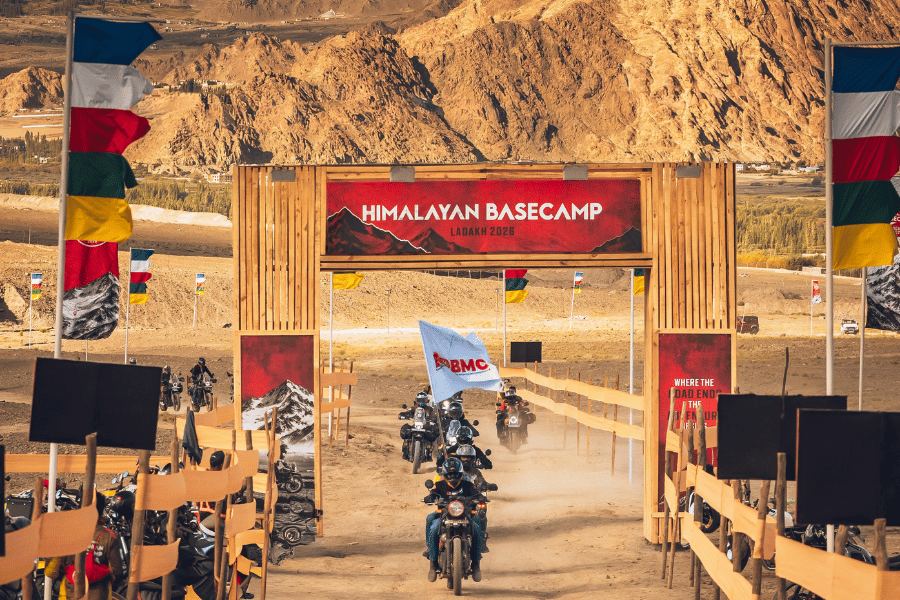
What is Royal Enfield Himalayan Base Camp?
Royal Enfield Himalayan Base Camp is an adventure-focused gathering that brings together motorcycling, outdoor sports, exploration and local culture. The inaugural Ladakh edition was held in Leh, at an altitude of approximately 11,480 feet, with activities designed for both experienced adventure riders and those looking to try something new.
Unlike a conventional motorcycle meet, Base Camp offers more than just riding. Participants can explore curated mountain routes, improve their off-road riding skills, try adventure sports and discover Ladakh’s cultural heritage. It essentially provides a common platform for people who share a passion for adventure and the outdoors.
My pick: Sacred Ride To Moonland Lamayuru Monastery
With so many activities to choose from, I decided to ride towards Lamayuru Monastery and Moonland. Located roughly 125km from Leh, Lamayuru is known for its ancient monastery and the unusual terrain surrounding it.
The route promised a combination of mountain roads, river valleys, small Ladakhi villages and dramatic geological formations. While I was looking forward to exploring the destination, I was equally curious about riding in a convoy for the first time.
Riding alone gives you the freedom to choose your pace and stop whenever you want. In a convoy, you become responsible for the riders around you. Maintaining a safe distance, staying aware of the group and ensuring nobody gets separated become part of the experience.
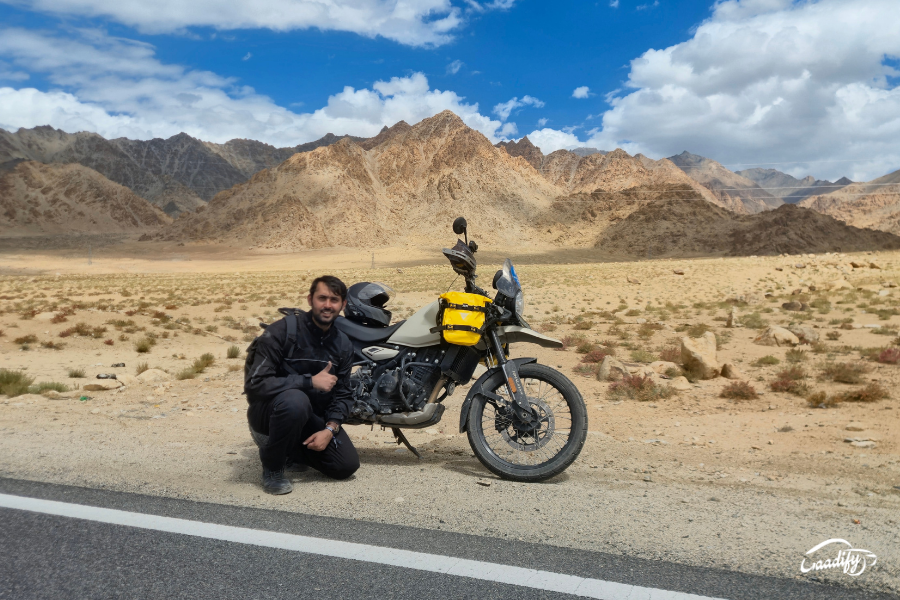
Among the riders, I paired up with a German motorcyclist whose name I unfortunately cannot recall at the moment. We began looking out for each other, making sure neither of us fell too far behind.
Although a support vehicle followed the convoy, there was an unspoken understanding between us riders that we would stay together. We did not need to discuss it formally; it simply became something we did naturally.
That small gesture made the ride more meaningful. We were strangers who had come together for the same adventure, yet we developed a sense of responsibility towards each other. It reminded me that a motorcycle convoy is not merely a group of bikes following the same route. It is about riding responsibly, staying aware and looking out for fellow riders.
Riverside roads, mountain scenery and Ladakhi villages
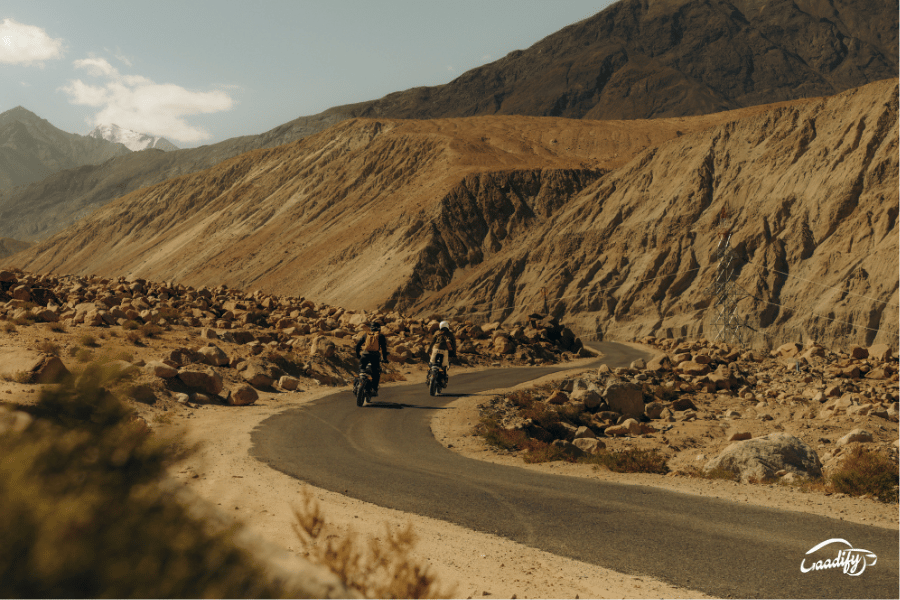
The ride towards Lamayuru was as much about the journey as the destination. One of the most enjoyable aspects was the changing scenery, from roads running alongside the Indus River to stretches surrounded by rugged mountains and open valleys.
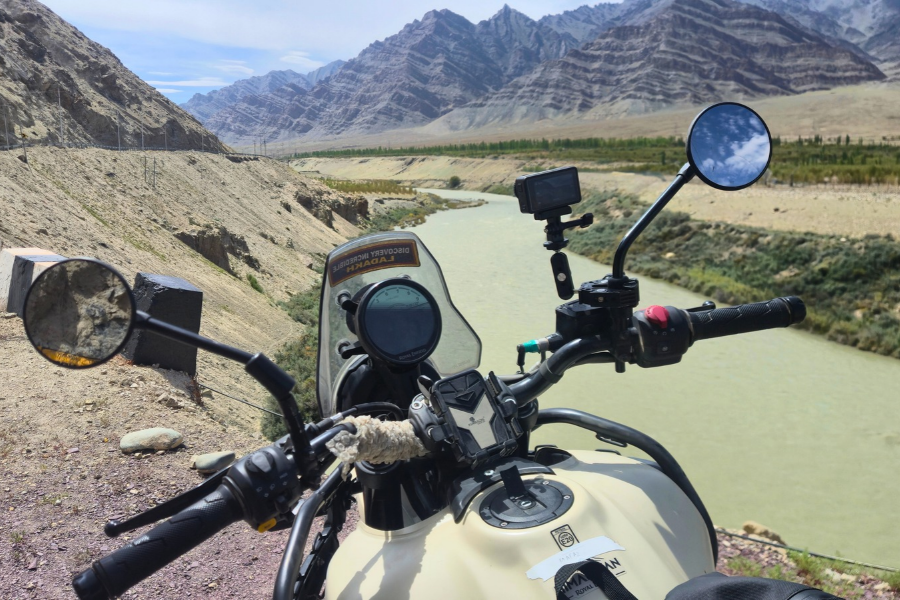
The river added a beautiful contrast to Ladakh’s otherwise barren terrain. As the road followed the valley, the scenery kept changing, offering glimpses of small settlements, traditional houses and cultivated patches of land tucked between the mountains.
These villages offered a reminder that Ladakh is not just about high-altitude passes and dramatic landscapes. It is also home to communities that have adapted to the region’s harsh climate and challenging geography over generations.
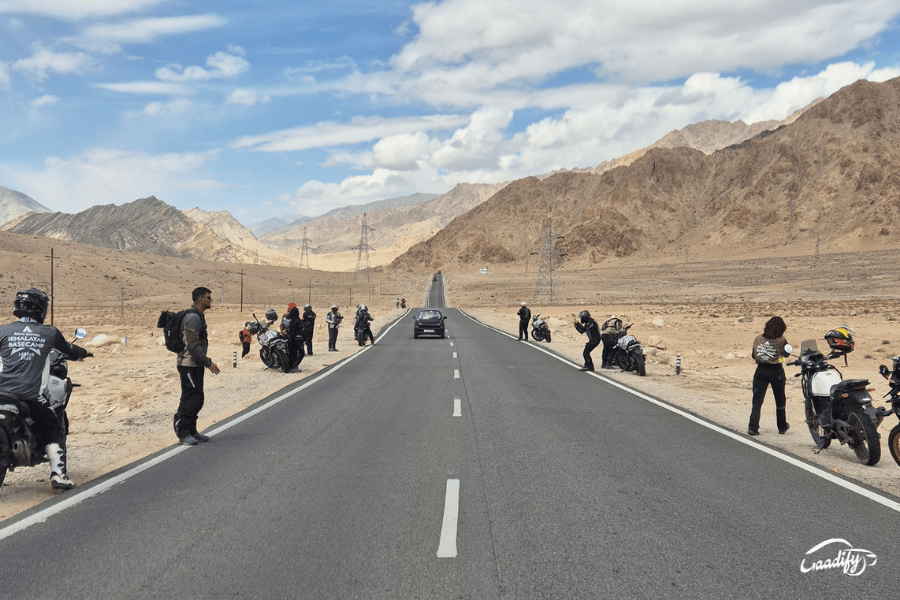
The route also took us through the wider Sham Valley region, known for its mountain scenery and cultural landmarks. Magnetic Hill was another notable attraction along this part of the Leh–Kargil highway. The famous spot creates an optical illusion in which vehicles appear to roll uphill, although the effect is generally explained by the surrounding landscape and the way the horizon is perceived.
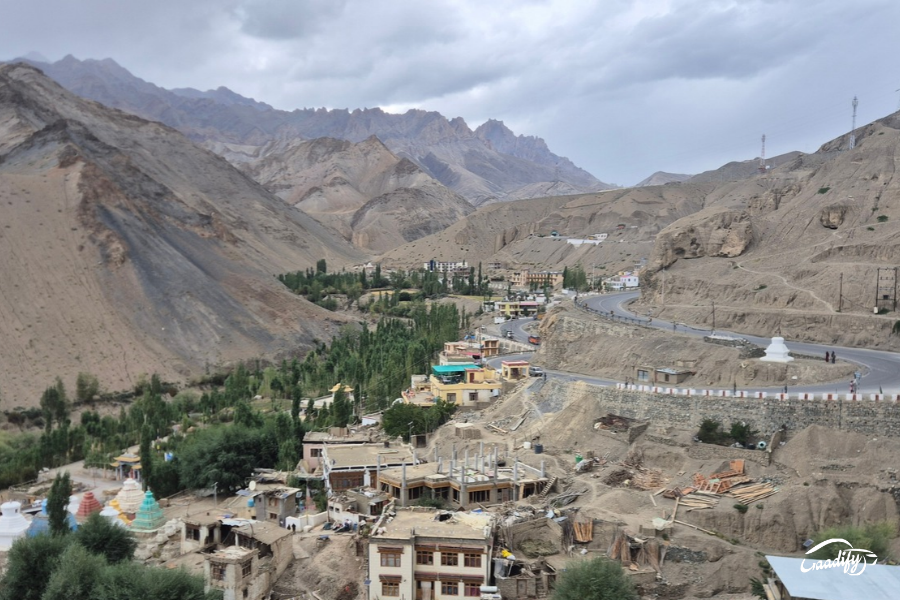
For a motorcyclist, these stretches are about more than simply covering kilometres. The changing scenery, winding roads and occasional glimpses of life in remote villages make the journey enjoyable even when there is no particular landmark in sight.
Moonland: Why does it look like the Moon?
The landscape surrounding Lamayuru is popularly known as Moonland because its pale, barren hills resemble the Moon’s surface. The slopes feature unusual ridges, deep gullies and sculpted formations in shades of beige, yellow and grey, creating an almost otherworldly appearance.
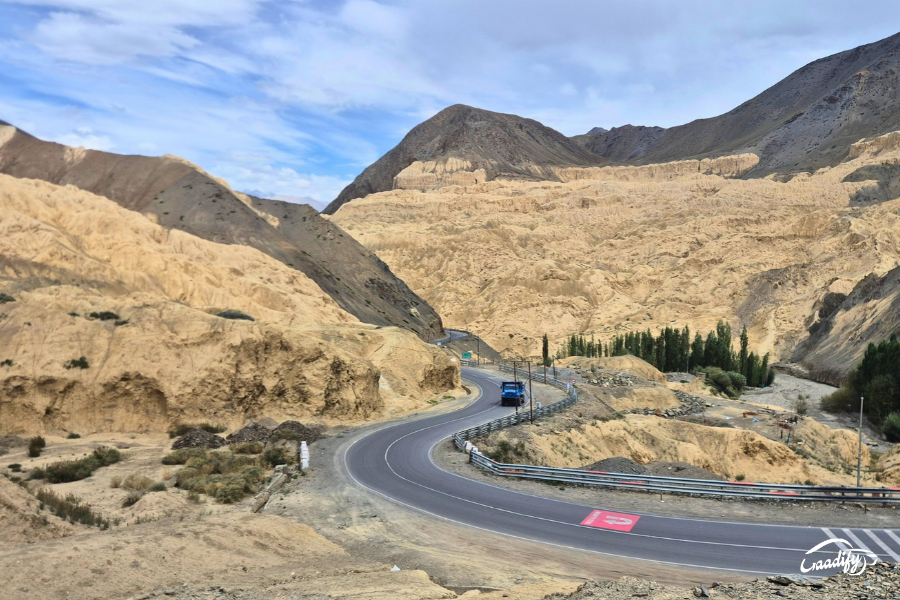
However, these formations are the result of natural geological processes rather than anything extraterrestrial. The Lamayuru valley is believed to have once contained an ancient lake. After the water receded, erosion gradually shaped the exposed sediments into the distinctive formations visible today.
The result is a landscape that looks strikingly different from the towering mountain scenery usually associated with Ladakh.
Approaching Moonland on a motorcycle makes the experience particularly special. You get to watch the terrain gradually change as the road winds through the valley, with the unusual formations becoming more prominent as you get closer.
Lamayuru Monastery: A glimpse into Ladakh’s history
Set amid the unusual terrain of Moonland, Lamayuru Monastery is one of Ladakh’s oldest and most significant Buddhist monastic centres. It is believed to have been established in the 11th century and is associated with the Buddhist master Mahasiddha Naropa.
The monastery belongs to the Drikung Kagyu tradition of Tibetan Buddhism and is known for its historic structures, murals and religious artwork.
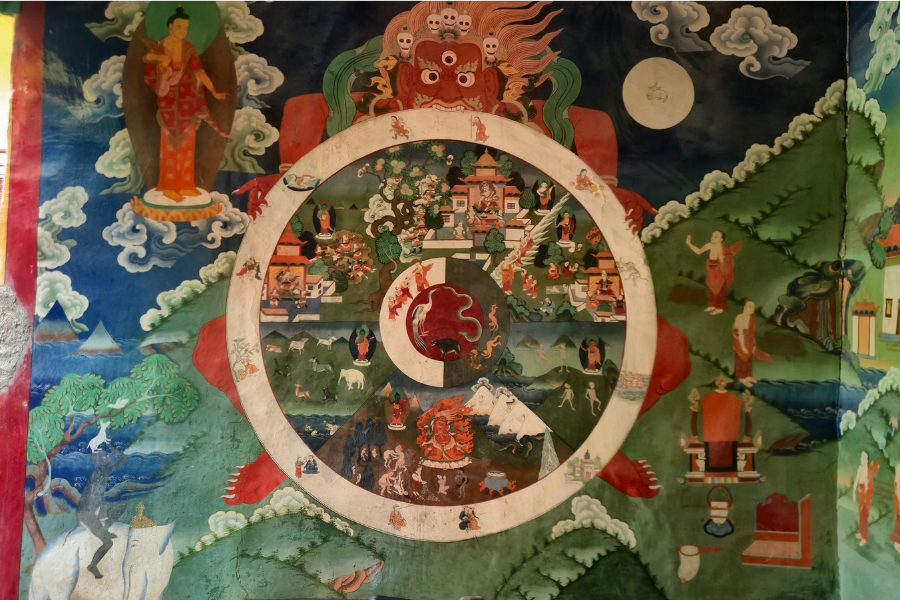
Our guide tells the story of a lake that once covered the valley and later receded following Naropa’s spiritual intervention, revealing the land where the monastery was established. While this is a religious legend, geological studies also point to the existence of an ancient lake in the area. He also explained Buddhist philosophy and the significance of the traditional Bhavacakra, also known as the Wheel of Life or Wheel of Existence, depicted in the image above. It represents the cycle of birth, death and rebirth, highlighting how our actions and attachments influence our journey through existence.
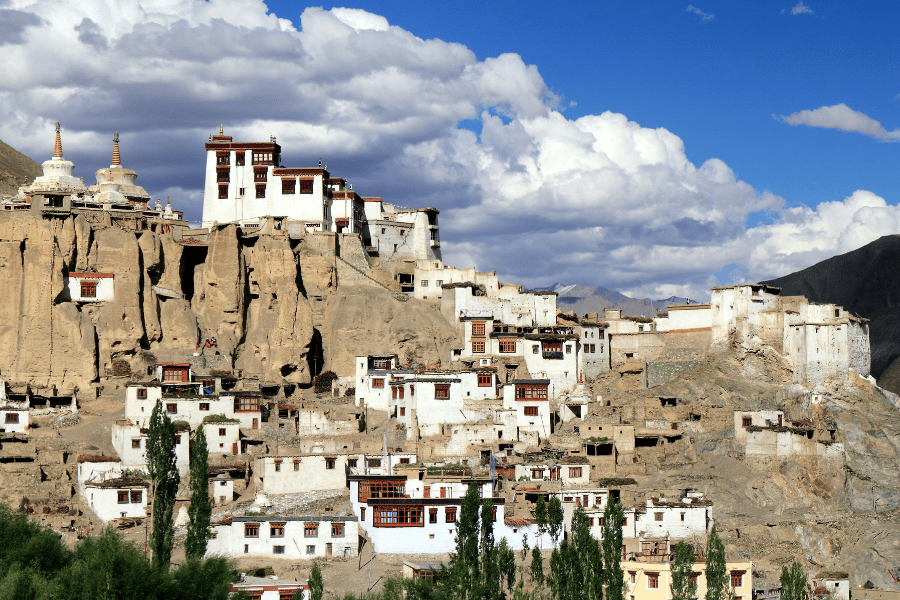
The monastery’s setting is what makes it particularly striking. Its buildings sit against the rocky hillside, surrounded by the unusual formations of Moonland and the village below. Beyond its architecture, it remains an active centre of Buddhist worship and religious practice.
For someone visiting Ladakh primarily to ride, Lamayuru offers a valuable opportunity to discover the region’s cultural and spiritual heritage alongside its natural beauty.
What else was happening at Himalayan Base Camp?
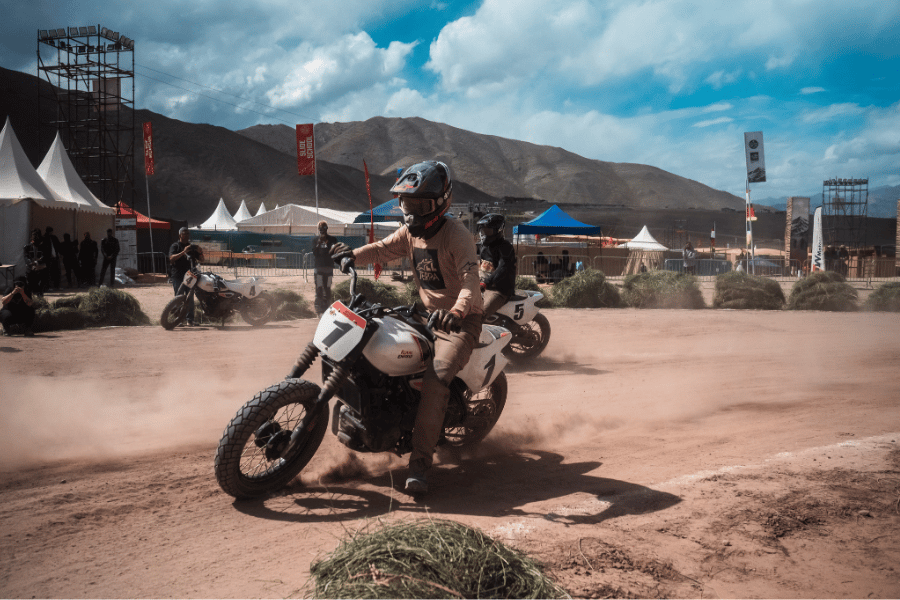
While I chose the Moonland Monastery Ride, Himalayan Base Camp offered several other experiences throughout its three-day programme.
- Off-road riding: Training sessions and challenges covering motorcycle control, braking, cornering and riding on loose surfaces.
- Adventure trails: Guided explorations, gravel routes and more demanding rides through Ladakh’s rugged terrain.
- High-altitude expeditions: Rides towards iconic mountain passes, including Khardung La and Tanglang La.
- Heritage rides: Visits to monasteries, historic landmarks and traditional Ladakhi villages.
- Photography experiences: The Through the Rider’s Lens programme offered opportunities to capture the region’s landscapes and riding experiences.
- Adventure sports: Activities included rafting, mountain biking, kayaking, rock climbing, hiking and other outdoor challenges.
The event also featured workshops and opportunities for riders to connect, exchange experiences and learn about adventure riding. This variety made Base Camp more than a gathering for motorcycle enthusiasts; it was a platform to explore Ladakh through different forms of adventure.
How can you participate in Himalayan Base Camp?
The 2026 edition ran from September 4 to 6, and registrations for this edition are now closed. However, those interested in future editions can follow the official Himalayan Base Camp website for event information and announcements.
Royal Enfield also organises other motorcycle rides and expeditions throughout the year. Details are available on its official rides and events website.
Note: Before signing up, check the route difficulty, motorcycle eligibility, costs, accommodation arrangements and safety requirements. Ladakh’s high altitude also makes acclimatisation and proper preparation particularly important.
The road is the experience
My time at Royal Enfield Himalayan Base Camp 2026 was short, but the ride towards Lamayuru gave me plenty to remember. There were the beautiful riverside roads, the small villages, the surreal landscape of Moonland and the historic monastery that stands amid it all.
But perhaps the most memorable part was my first experience of riding in a convoy. I went there to explore Ladakh on a motorcycle, yet I came away appreciating something beyond the scenery: the camaraderie that develops between riders who may have met only hours earlier. That is what made the experience special. The destination was beautiful, but the journey and the people who shared it with me made it memorable.