The new GST 2.0 rules have reduced taxes on many cars, and several brands have already lowered their prices. Here’s a simple breakdown of what’s changed and how much money buyers can now save on mass-market cars.
What Changed in GST 2.0?
Earlier, cars had GST with an additional compensation cess ranging from 1% to as high as 20%, depending on engine size and dimensions, which made them costlier. Under the revised GST rates (GST 2.0), compensation cess has been removed, and GST rates have been revised. As a result, cars are now cheaper by thousands to lakhs of rupees, depending on their size, engine and categories.
| Vehicle Type | Engine/Length | Old Tax (GST + Cess) | New Tax | Savings | Examples |
|---|---|---|---|---|---|
| Small Petrol Cars | Up to 1200cc, sub-4m | 28% + 1% = 29% | 18% | 10–11% | Maruti Alto, Renault Kwid, Hyundai i20, Maruti Baleno, and petrol versions of most sub-4m SUVs. except Maruti Brezza |
| Small Diesel Cars | Up to 1500cc, sub-4m | 28% + 3% = 31% | 18% | 13% | Tata Nexon, Altroz, Kia Sonet, Hyundai Venue, Mahindra XUV 3XO |
| Mid/Large Hybrid Cars | Above 4m | 28% + 15% = 43% | 40% | ~3% | Grand Vitara Strong Hybrid, Toyota Hyryder, Honda City Hybrid |
| Mid-Size Cars | Up to 1500cc | 28% + 17% = 45% | 40% | 5% | Maruti Brezza, Ertiga, Hyundai Creta, Kia Seltos, Honda Elevate, Volkswagen Virtus, Skoda Slavia |
| SUVs | Exceeding 1500cc or a length exceeding 4000mm, and ground clearance of 170mm and above | 28% + 22% = 50% | 40% | 10% | Mahindra XUV700, Scorpio N, Tata Harrier, MG Hector, Toyota Fortuner |
| Electric Vehicles | Any | 5% | 5% | 0% | Tata Tiago EV, Nexon EV, MG ZS EV, Hyundai IONIQ 5 |
| Luxury Cars | High-end | 28% + 20–22% = 48–50% | 40% | 8–10% | Mercedes-Benz C-Class, BMW 5 Series |
This restructuring clearly benefits compact cars and large SUVs the most, with mid-size sedans and crossovers receiving relatively modest cuts.

GST 2.0 Effect: Brand-Wise Car Price Cut
1. Mahindra: Aggressive First-Mover Strategy
Mahindra is one of the first automakers to start passing on full GST benefits from September 6, 2025. Below is the updated breakdown of tax changes and maximum benefit across Mahindra’s lineup.
| Model | Old GST + Cess | New GST + Cess | Maximum Benefit |
|---|---|---|---|
| Bolero / Bolero Neo | 31% (28% GST + 3% Cess) | 18% (18% GST, 0% Cess) | Up to Rs 1.27 lakh |
| XUV 3XO (Petrol) | 29% (28% GST + 1% Cess) | 18% (18% GST, 0% Cess) | Up to Rs 1.40 lakh |
| XUV 3XO (Diesel) | 31% (28% GST + 3% Cess) | 18% (18% GST, 0% Cess) | Up to Rs 1.56 lakh |
| Thar RWD (Diesel) | 31% (28% GST + 3% Cess) | 18% (18% GST, 0% Cess) | Up to Rs 1.35 lakh |
| Thar 4WD (Diesel) | 48% (28% GST + 20% Cess) | 40% (28% GST + 12% Cess) | Up to Rs 1.01 lakh |
| Scorpio Classic | 48% (28% GST + 20% Cess) | 40% (28% GST + 12% Cess) | Up to Rs 1.01 lakh |
| Scorpio-N | 48% (28% GST + 20% Cess) | 40% (28% GST + 12% Cess) | Up to Rs 1.45 lakh |
| Thar Roxx | 48% (28% GST + 20% Cess) | 40% (28% GST + 12% Cess) | Up to Rs 1.33 lakh |
| XUV700 | 48% (28% GST + 20% Cess) | 40% (28% GST + 12% Cess) | Up to Rs 1.43 lakh |
- The XUV 3XO diesel benefits the most from the revised GST rates, followed by the Scorpio N and XUV700.
- The Mahindra Thar shows a split scenario. The 1.5-litre diesel (2WD variant) qualifies for the 18% slab, making it much more affordable. But the 2.2-litre petrol and diesel models attract the full 40% rate. So within the same model lineup, customers will see very different pricing benefits depending on the engine size.
2. Skoda
| Model | Old GST + Cess | New GST + Cess | Maximum Benefit |
|---|---|---|---|
| Skoda Kylaq | 29% (28% GST + 1% Cess) | 18% (18% GST, 0% Cess) | Up to Rs 1.19 lakh |
| Skoda Slavia | 45% (28% GST + 17% Cess) | 40% (28% GST + 12% Cess) | Up to Rs 63,207 |
| Skoda Kushaq | 45% (28% GST + 17% Cess) | 40% (28% GST + 12% Cess) | Up to Rs 65,828 |
| Skoda Kodiaq | 50% (28% GST + 22% Cess) | 40% (28% GST + 12% Cess) | Up to Rs 3.28 lakh |
- The Kodiaq enjoys the steepest cut, making it substantially more competitive in the premium SUV space.
- The new Kylaq sub-4m SUV benefits from the highest relative tax reduction (11%), crossing Rs 1 lakh in savings.
- Slavia and Kushaq get modest relief (~Rs 60–65k), due to a smaller 5% reduction in tax slabs.
Skoda has confirmed that while the price cuts will be applicable from September 22, buyers can still avail the same level of benefits on all models through a limited-period scheme running until September 21, 2025.
3. MG Motor India
Like Mahindra, MG has already slashed prices, passing on the GST relief with immediate effect.
| Model | Old GST + Cess | New GST Tax | Maximum Benefit |
|---|---|---|---|
| MG Astor | 28% + 1% | 18% | Up to Rs 54,000 |
| MG Hector (Petrol) | 28% + 17% | 40% | Up to Rs 1.49 lakh |
| MG Hector (Diesel) | 28% + 20% | 40% | Up to Rs 1.49 lakh |
| MG Gloster | 28% + 22% | 40% | Up to Rs 3.04 lakh |
- MG’s Gloster full-size SUV sees the biggest cut, matching rivals like the Skoda Kodiaq and Toyota Fortuner.
- The Hector twins (petrol & diesel) get attractive price drops, bringing them closer to the Hyundai Creta and Tata Harrier in terms of VFM.
- The Astor sees modest benefits, but immediate price cuts strengthen MG’s positioning in the compact SUV space.
In addition to passing benefits before the deadline, MG is also offering 100% on-road funding and a 3-month break in loan repayments, a smart move to lure value-conscious buyers post-GST 2.0.
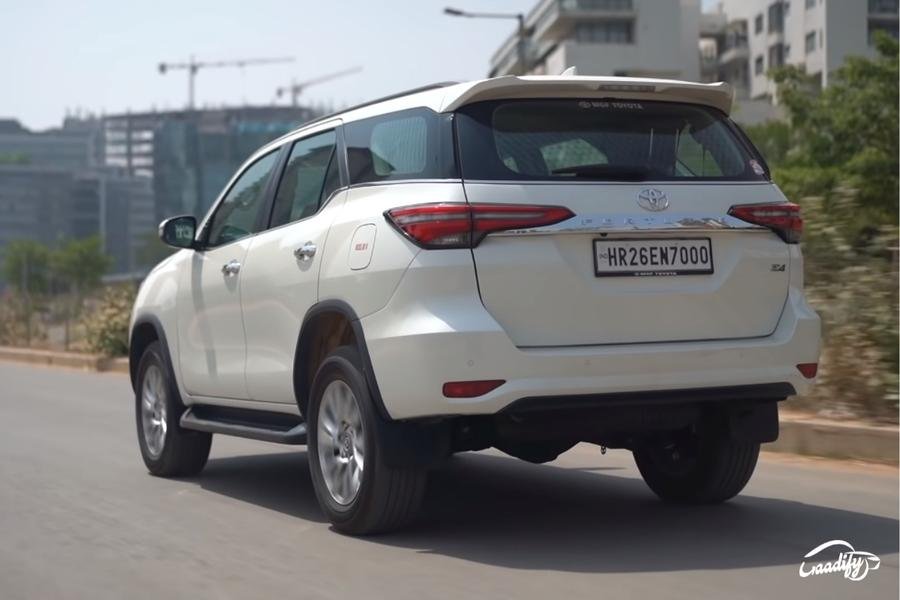
4. Toyota: Fortuner Gets Huge Price Cut
Since Toyota has no EVs on sale, its entire lineup benefits under the revised GST. The new prices come into effect from September 22, 2025.
| Model | Old GST + Cess | New GST + Cess | Maximum Benefit |
|---|---|---|---|
| Glanza | 28% GST + 1% Cess = 29% | 18% (18% GST, 0% Cess) | Up to Rs 85,300 |
| Taisor | 28% GST + 1% Cess = 29% | 18% (18% GST, 0% Cess) | Up to Rs 1.11 lakh |
| Rumion | 28% GST + 17% Cess = 45% | 40% (28% GST + 12% Cess) | Up to Rs 48,700 |
| Hyryder | 28% GST + 17% Cess = 45% | 40% (28% GST + 12% Cess) | Up to Rs 65,400 |
| Innova Crysta | 28% GST + 22% Cess = 50% | 40% (28% GST + 12% Cess) | Up to Rs 1.81 lakh |
| Innova Hycross | 28% GST + 22% Cess = 50% | 40% (28% GST + 12% Cess) | Up to Rs 1.16 lakh |
| Fortuner | 28% GST + 22% Cess = 50% | 40% (28% GST + 12% Cess) | Up to Rs 3.49 lakh |
| Fortuner Legender | 28% GST + 22% Cess = 50% | 40% (28% GST + 12% Cess) | Up to Rs 3.34 lakh |
| Hilux | 28% GST + 22% Cess = 50% | 40% (28% GST + 12% Cess) | Up to Rs 2.53 lakh |
| Camry | 28% GST + 22% Cess = 50% | 40% (28% GST + 12% Cess) | Up to Rs 1.02 lakh |
| Vellfire | 28% GST + 22% Cess = 50% | 40% (28% GST + 12% Cess) | Up to Rs 2.78 lakh |
- The Fortuner and Fortuner Legender are now significantly cheaper, a move that directly impacts competition with the Skoda Kodiaq, MG Gloster, and Jeep Meridian.
- Entry models like Glanza and Taisor benefit from 11% tax cuts, pushing affordability.
- The Innova range gets a balanced Rs 1.16–1.81 lakh reduction, boosting appeal among fleet operators and families.

5. Hyundai
Hyundai has rolled out GST-linked price reductions across its ICE lineup. EVs, such as the Ioniq 5, Creta Electric and Kona Electric, remain unaffected (still taxed at 5%).
| Model | Old GST + Cess | New GST | Maximum Benefit |
|---|---|---|---|
| Grand i10 Nios | 28% GST + 1% Cess = 29% | 18% | Up to Rs 73,808 |
| Aura | 28% GST + 1% Cess = 29% | 18% | Up to Rs 78,465 |
| Exter | 28% GST + 1% Cess = 29% | 18% | Up to Rs 89,209 |
| i20 | 28% GST + 1% Cess = 29% | 18% | Up to Rs 98,053 |
| i20 N Line | 28% GST + 1% Cess = 29% | 18% | Up to Rs 1.08 lakh |
| Venue | 28% GST + 1% Cess = 29% | 18% | Up to Rs 1.23 lakh |
| Venue N Line | 28% GST + 1% Cess = 29% | 18% | Up to Rs 1.19 lakh |
| Verna | 28% GST + 17% Cess = 45% | 40% | Up to Rs 60,640 |
| Creta | 28% GST + 17% Cess = 45% | 40% | Up to Rs 72,145 |
| Creta N Line | 28% GST + 17% Cess = 45% | 40% | Up to Rs 71,762 |
| Alcazar | 28% GST + 17% Cess = 45% | 40% | Up to Rs 75,376 |
| Tucson | 28% GST + 22% Cess = 50% | 40% | Up to Rs 2.40 lakh |
The Hyundai Tucson premium SUV receives the highest cut (Rs 2.4 lakh), strengthening its case against Jeep Compass and Citroen C5.

6. Tata Motors
Here’s how much you can save on Tata Motors with the revised GST: –
| Model | Old GST + Cess | New GST | Maximum Benefit |
|---|---|---|---|
| Tiago | 29% (28% GST + 1% Cess) | 18% | Up to Rs 75,000 |
| Tigor | 29% (28% GST + 1% Cess) | 18% | Up to Rs 80,000 |
| Altroz | 29% (28% GST + 1% Cess) | 18% | Up to Rs 1.1 lakh |
| Punch | 29% (28% GST + 1% Cess) | 18% | Up to Rs 85,000 |
| Nexon | 31% (28% GST + 3% Cess) | 18% | Up to Rs 1.55 lakh |
| Curvv | 45% (28% GST + 17% Cess) | 40% | Up to Rs 65,000 |
| Harrier | 45% (28% GST + 17% Cess) | 40% | Up to Rs 1.4 lakh |
| Safari | 45% (28% GST + 17% Cess) | 40% | Up to Rs 1.45 lakh |
The Tata Nexon benefits the most with the revised GST rates, followed by the Tata Safari and Harrier.

7. Renault: Variant-Wise Prices Revealed
All the Renault cars in India will now attract a uniform GST rate of 18%, making them up to ₹ 96,395 more affordable than before. Here, take a look at their revised price list: –
Renault Kwid
| Variant | New Price | Old Price | Difference | Old Tax Rate | New GST Rate |
|---|---|---|---|---|---|
| RXE MT | Rs 4,29,900 | Rs 4,69,995 | -Rs 40,095 | 29% (28% GST + 1% Cess) | 18% |
| RXL MT | Rs 4,66,500 | Rs 5,09,995 | -Rs 43,495 | 29% (28% GST + 1% Cess) | 18% |
| RXL AMT | Rs 4,99,900 | Rs 5,54,995 | -Rs 55,095 | 29% (28% GST + 1% Cess) | 18% |
| RXT MT | Rs 4,99,900 | Rs 5,54,995 | -Rs 55,095 | 29% (28% GST + 1% Cess) | 18% |
| RXT AMT | Rs 5,48,800 | Rs 5,99,995 | -Rs 51,195 | 29% (28% GST + 1% Cess) | 18% |
| Climber | Rs 5,37,900 | Rs 5,87,995 | -Rs 50,095 | 29% (28% GST + 1% Cess) | 18% |
| Climber AMT | Rs 5,79,000 | Rs 6,32,995 | -Rs 53,995 | 29% (28% GST + 1% Cess) | 18% |
| Climber Dual Tone | Rs 5,48,800 | Rs 5,99,995 | -Rs 51,195 | 29% (28% GST + 1% Cess) | 18% |
| Climber AMT Dual Tone | Rs 5,90,000 | Rs 6,44,995 | -Rs 54,995 | 29% (28% GST + 1% Cess) | 18% |
Renault Kiger
The Renault Kiger recently received a facelift with a sharper design and added features. From September 22, 2025, prices will drop under GST 2.0. The Emotion AMT Dual Tone gets the highest benefit of Rs 80,195.
| Variant | New Price | Old Price | Difference | Old Tax Rate | New Tax Rate |
| Authentic | Rs 5,76,300 | Rs 6,29,995 | -Rs 53,695 | 29% (28% GST + 1% Cess) | 18% |
| Evolution | Rs 6,63,200 | Rs 7,24,995 | -Rs 61,795 | 29% (28% GST + 1% Cess) | 18% |
| Techno | Rs 7,31,800 | Rs 7,99,995 | -Rs 68,195 | 29% (28% GST + 1% Cess) | 18% |
| Emotion | Rs 7,91,200 | Rs 8,64,995 | -Rs 73,795 | 29% (28% GST + 1% Cess) | 18% |
| Emotion AMT | Rs 8,38,800 | Rs 9,16,995 | -Rs 78,195 | 29% (28% GST + 1% Cess) | 18% |
| Emotion MT Dual Tone | Rs 8,12,300 | Rs 8,87,995 | -Rs 75,695 | 29% (28% GST + 1% Cess) | 18% |
| Emotion AMT Dual Tone | Rs 8,59,800 | Rs 9,39,995 | -Rs 80,195 | 29% (28% GST + 1% Cess) | 18% |
Renault Triber
The Triber, India’s most affordable 7-seater, gets even more attractive pricing after GST 2.0. The biggest saving is Rs 96,395 on the Emotion Dual Tone 1.0 Turbo CVT.
| Variant | New Price | Old Price | Difference | Old Tax Rate | New Tax Rate |
| Authentic MT | Rs 5,76,300 | Rs 6,29,995 | -Rs 53,695 | 29% (28% GST + 1% Cess) | 18% |
| Evolution MT | Rs 6,49,500 | Rs 7,09,995 | -Rs 60,495 | 29% (28% GST + 1% Cess) | 18% |
| Evolution AMT | Rs 6,95,200 | Rs 7,59,995 | -Rs 64,795 | 29% (28% GST + 1% Cess) | 18% |
| Techno MT | Rs 7,50,100 | Rs 8,19,995 | -Rs 69,895 | 29% (28% GST + 1% Cess) | 18% |
| Techno Dual Tone MT | Rs 7,71,100 | Rs 8,42,995 | -Rs 71,895 | 29% (28% GST + 1% Cess) | 18% |
| Emotion MT | Rs 8,37,000 | Rs 9,14,995 | -Rs 77,995 | 29% (28% GST + 1% Cess) | 18% |
| Emotion Dual Tone MT | Rs 8,58,000 | Rs 9,37,995 | -Rs 79,995 | 29% (28% GST + 1% Cess) | 18% |
| Techno AMT | Rs 7,95,800 | Rs 8,69,995 | -Rs 74,195 | 29% (28% GST + 1% Cess) | 18% |
| Techno Dual Tone AMT | Rs 8,16,800 | Rs 8,92,995 | -Rs 76,195 | 29% (28% GST + 1% Cess) | 18% |
| Emotion 1.0 Turbo MT | Rs 9,14,700 | Rs 9,99,995 | -Rs 85,295 | 29% (28% GST + 1% Cess) | 18% |
| Emotion Dual Tone 1.0 Turbo MT | Rs 9,14,700 | Rs 9,99,995 | -Rs 85,295 | 29% (28% GST + 1% Cess) | 18% |
| Techno 1.0 Turbo CVT | Rs 9,14,700 | Rs 9,99,995 | -Rs 85,295 | 29% (28% GST + 1% Cess) | 18% |
| Techno Dual Tone 1.0 Turbo CVT | Rs 9,14,700 | Rs 9,99,995 | -Rs 85,295 | 29% (28% GST + 1% Cess) | 18% |
| Emotion 1.0 Turbo CVT | Rs 10,33,600 | Rs 11,29,995 | -Rs 96,395 | 29% (28% GST + 1% Cess) | 18% |
| Emotion Dual Tone 1.0 Turbo CVT | Rs 10,33,600 | Rs 11,29,995 | -Rs 96,395 | 29% (28% GST + 1% Cess) | 18% |

9. Honda
Honda will fully pass on the GST relief to customers effective 22nd September 2025. Buyers can also avail festive offers if they book now and take delivery during Navratras, effectively stacking both benefits together.
| Model | Old GST + Cess (Split) | New GST + Cess | Estimated Price Reduction |
|---|---|---|---|
| Honda Amaze (2nd Gen) | 29% (28% GST + 1% Cess) | 18% | Up to Rs 72,800 |
| Honda Amaze (3rd Gen) | 29% (28% GST + 1% Cess) | 18% | Up to Rs 95,500 |
| Honda Elevate | 45% (28% GST + 17% Cess) | 40% | Up to Rs 58,400 |
| Honda City | 45% (28% GST + 17% Cess) | 40% | Up to Rs 57,500 |
Also See: Honda Elevate Updated With Fresh Cabin Theme and Redesigned Grille

10. Volkswagen
Volkswagen is also extending complete GST rate reduction benefits to customers across its portfolio, effective 22nd September 2025.
| Model | Old GST + Cess (Split) | New GST + Cess | GST Reduction Benefit |
|---|---|---|---|
| Volkswagen Virtus | 28% GST + 17% Cess = 45% | 40% (28% GST + 12% Cess) | Up to Rs 66,900 |
| Volkswagen Taigun | 28% GST + 17% Cess = 45% | 40% (28% GST + 12% Cess) | Up to Rs 68,400 |
| Tiguan R-Line | 28% GST + 22% Cess = 50% | 40% (28% GST + 12% Cess) | Up to Rs 3,26,900 |
In addition, customers can avail extra festive offers ranging from Rs 1.61 lakh to Rs 3 lakh on select models like the Virtus, Taigun, and Tiguan R-Line this month.
11. Maruti Suzuki
| Model | Old GST + Cess (Split) | New GST + Cess | Estimated Benefit |
|---|---|---|---|
| Alto K10 | 28% GST + 1% Cess = 29% | 18% | Up to Rs 52,000 |
| Wagon R | 28% GST + 1% Cess = 29% | 18% | Up to Rs 67,000 |
| Swift | 28% GST + 1% Cess = 29% | 18% | Up to Rs 58,000 |
| Dzire | 28% GST + 1% Cess = 29% | 18% | Up to Rs 86,800 |
| Baleno | 28% GST + 1% Cess = 29% | 18% | Up to Rs 60,000 |
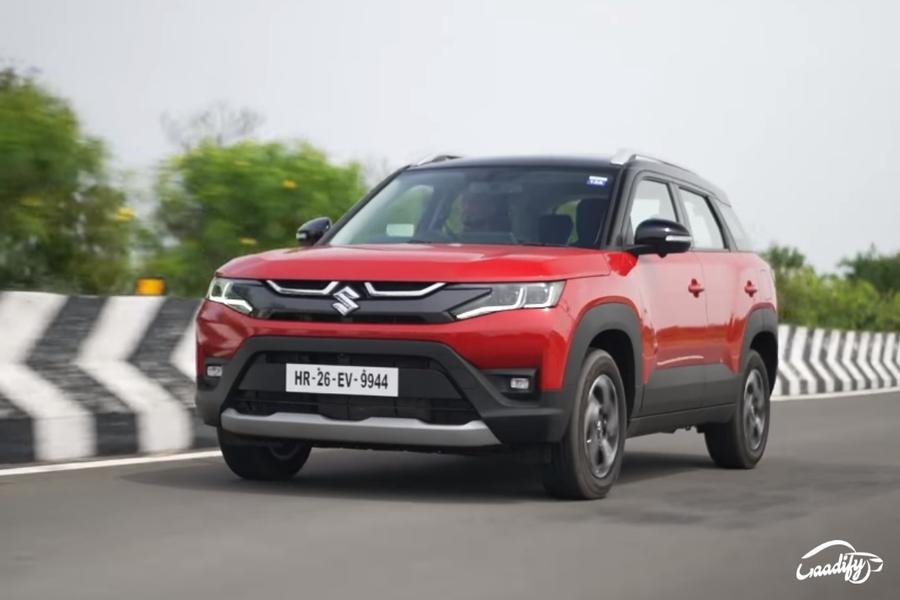
| Brezza | 28% GST + 17% Cess = 45% | 40% | Up to Rs 48,200 |
| Ertiga | 28% GST + 17% Cess = 45% | 40% | Up to Rs 46,200 |
| XL6 | 28% GST + 17% Cess = 45% | 40% | Up to Rs 75,000 |
| Fronx | 28% GST + 17% Cess = 45% | 40% | Up to Rs 68,000 |
| Invicto | 28% GST + 17% Cess = 45% | 40% | Up to Rs 61,300 |
Maruti Suzuki Brezza is an interesting case here, while all its sub-4-meter SUVs now enjoy a lower flat 18% GST rate, the Brezza continues to attract a higher 40% tax rate (only a 5% reduction from before). This is due to the Brezza’s larger 1500cc petrol engine displacement, which places it in a higher tax bracket despite the GST reforms.
Note: The above price reductions are estimated figures, as Maruti Suzuki has yet to officially disclose the exact GST benefit numbers for each model. The final price changes could vary slightly when the new rates take effect on September 22, 2025.
Also Read: Maruti Suzuki Victoris Revealed – ADAS, Hybrid Engine and More
Final Words
The GST 2.0 reforms have brought a wave of relief for car buyers and manufacturers in India. By slashing cess and reducing the overall GST slabs, most ICE cars have become more affordable, directly boosting consumer sentiment and making mass-market cars more attractive than ever before. Brands such as Mahindra and MG have passed on benefits immediately, while others are offering attractive discounts and offers almost equivalent to the GST benefits.
However, not everything is uniform. The Brezza, despite being a compact SUV under 4 metres, falls in the higher 40% tax bracket simply because of its larger 1.5-litre engine, while rivals with smaller engines enjoy the lower 18% rate. Similarly, Mahindra’s Thar diesel 4WD continues to attract 40% tax, unlike the Thar RWD diesel, which sits in the lower 18% bracket. These inconsistencies highlight that GST 2.0 still penalises cars based on engine size rather than customer use cases, which may discourage buyers of otherwise practical and affordable models. Another gap is that EVs, while retaining their 5% GST, didn’t get additional relief this time, even though stronger incentives could have accelerated adoption further.
Overall, GST 2.0 is a big win for mainstream car buyers, offering significant savings and improving affordability across brands. But the odd engine-capacity rules and lack of extra EV support mean the policy is only a partial victory. Going forward, a more consistent tax structure that balances emission goals, affordability, and consumer demand could make the system truly fair and future-ready.
We will continue to update this story with upcoming developments, so stay with us.