Tata Motors has reportedly revised its strategy for the upcoming Avinya range of EVs. The company will no longer use JLR’s EMA platform. Instead, it will adopt a Chery-JLR (CJLR)-derived Freelander platform. The change is aimed at making the cars more cost-effective, cutting development time, and speeding up the launch process.
Here are more details on this matter: –
- As per the reports, the JLR’s EMA platform was becoming too expensive for Avinya’s target price and expected sales volume.
- The first production model under the revised roadmap is likely to be the Avinya X (codenamed as the P2 programme). It is targeted for launch in 2027, while its engineering prototype is expected later this year.
- While the platform will be sourced from the Chery-JLR ecosystem, Tata is claimed to rework the electronics, vehicle systems and software for Indian market conditions. That said, Tata Technologies’ team in China, India and the UK are working together to adapt the platform.
- Using the CJLR platform gives Tata Motors a ready-made EV base, so it can focus more on localisation, software, connectivity and customer experience.

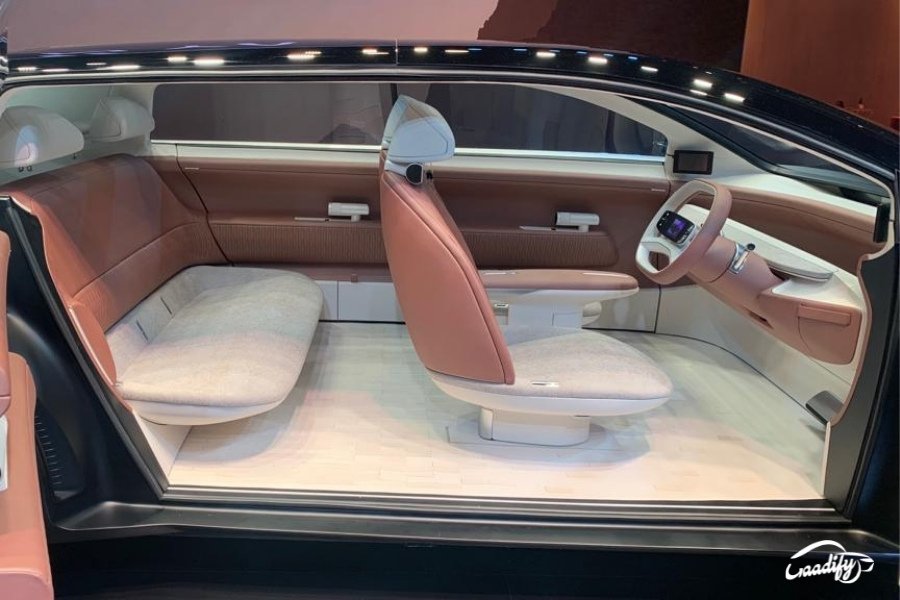
- Tata is also reported to revise its battery plans. The initial batch of Avinya models is expected to get battery packs between 65 kWh and 80 kWh. They will be sourced from other suppliers than Agratas (battery manufacturing company of the Tata Group) until it scales up production. As of now, the company is still working on sourcing and the localisation process.
- The homegrown carmaker will manufacture the first model of the Avinya series at its recently inaugurated manufacturing facility in Panapakkam, Tamil Nadu.
- This platform could play a bigger role later, with JLR also using it globally. If more companies adopt it, including JSW MG Motor, it can reduce costs and speed up localisation through shared parts and suppliers.
Also Read: Tata Gears Up For Six Launches In FY2027