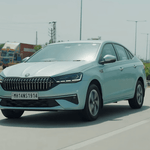


The Maruti Suzuki Victoris went on sale on September 15, 2025, and the newly-launched mid-size SUV has already bagged over 30,000 orders in just two months since bookings commenced on September 4.
N.A. Variants Most In Demand
As per Maruti Suzuki, 53% of total bookings were for the variants with the naturally aspirated petrol engine. The Indo-Japanese carmaker also revealed that 38% of total bookings belong to the SUV’s CNG-equipped trims (around 11,000 units).
The Maruti Victoris’s core rival, the Hyundai Creta, currently dominates the mid-size SUV segment. As per FY2025 sales data, Hyundai sold 1,94,871 units of the Creta, with nearly 40 per cent of those being diesel variants. The strong hybrid variants account for only a 9% share of the total bookings. Lastly, the ADAS-equipped variants account for about 16% of total bookings.
Worth Reading: New-gen Hyundai Venue Launched – Check Price, Specs and Features

Growing Demand For CNG
While Maruti Suzuki discontinued its diesel engines after the implementation of the BS6 emission norms in 2020, its CNG lineup has effectively filled that gap. Interestingly, the Victoris’ petrol-to-CNG sales ratio closely mirrors the Creta’s petrol-to-diesel ratio, highlighting how Maruti’s bet on CNG as a diesel alternative has paid off.
This shift also underlines a broader industry trend—consumers who once preferred diesel for efficiency are now turning toward CNG, especially in markets with high fuel prices and stricter emission norms. However, while CNG offers lower running costs and cleaner emissions, it still lacks the long-distance convenience and torque delivery that diesel engines are known for. Hence, Maruti’s strategy works best for urban and semi-urban buyers, but may still leave a gap among highway-focused customers who value diesel’s performance and range.
Unlike other Maruti Suzuki offerings, the CNG tank in Victoris is placed under its body, which enables buyers to utilise the full luggage area. It is a clear advantage for those who frequently travel long distances. However, the long refuelling time for CNG remains a drawback.
Related: Maruti Victoris vs Grand Vitara: Which SUV Should You Buy?
Maruti Victoris Overview
The Maruti Suzuki Victoris shares its platform and powertrain options with the Grand Vitara and its badge-engineered Toyota twin Hyryder. Available in six variants: LXI, VXI, ZXI, ZXI (O), ZXI+, and ZXI+ (O), the SUV is priced between Rs 10.50 lakh and Rs 19.99 lakh (ex-showroom).

It is packed with creature comforts such as 10.1-inch touchscreen infotainment with wireless Apple CarPlay and Android Auto, a premium Infinity sound system with Dolby Atmos support, powered tailgate with gesture control, 10.25-inch digital driver’s display, 64-colour ambient lighting, auto LED headlamps, ventilated front seats, an 8-way power driver seat, auto AC, rear AC vents, rear window sunblinds, air purifier, wireless charging, panoramic sunroof, 360-degree camera and much more.
For passengers’ safety, the Victoris gets six airbags, ABS with EBD, front & rear parking sensors, hill hold assist, traction control, ESC, tyre pressure monitoring system, ISOFIX anchors and level-2 ADAS active safety tech suite.
Now, let’s take a look at its engine specifications: –
| Engine | 1.5-litre N.A. petrol with a mild-hybrid system | 1.5-litre petrol with factory-fitted CNG Kit | 1.5-litre petrol with a strong hybrid system |
| No of Cylinders | 4 | 4 | 3 |
| Max Power | 103PS | 88PS | Engine: 92PS Motor: 80.2PS Combined: 115PS |
| Peak Torque | 139Nm | 121.5Nm | Engine: 122Nm Motor: 141Nm |
| Transmission Options | 5-speed manual, 6-speed torque converter automatic | 5-speed manual | e-CVT |
| Drivetrain | FWD / AllGrip AWD (AT only) | FWD | FWD |
| Claimed Fuel Efficiency (Mileage) | 21.18 km/l (MT) 21.06 km/l (AT) 19.07 km/l (AWD AT) | 27.02 km/kg | 28.65 km/l |