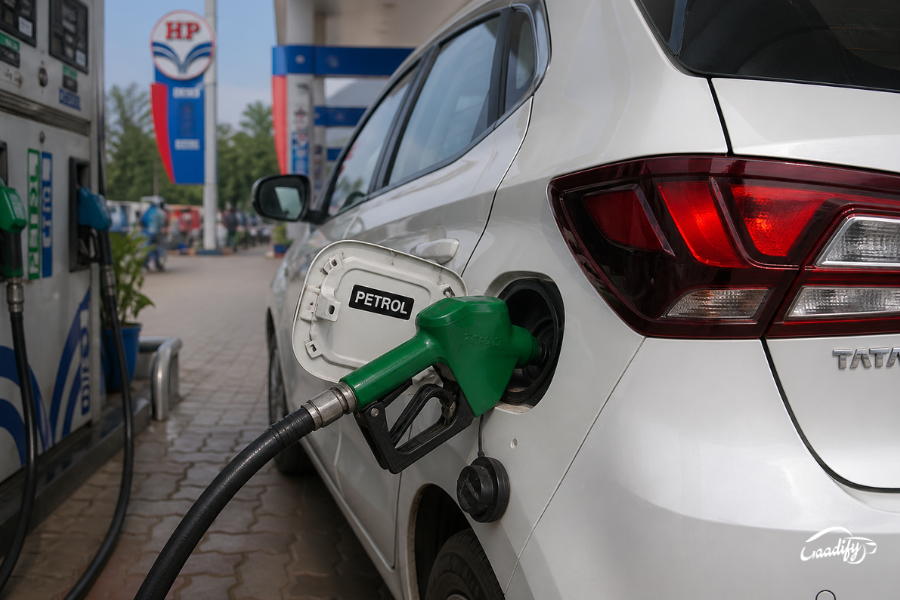
The government of India has issued a draft notification proposing amendments to the Central Motor Vehicles Rules to incorporate higher ethanol blending in petrol compared to the current E20 (20% ethanol blend in petrol) standard, which was rolled out in April last year. The new proposal includes provision for E85 (85% ethanol in petrol) and E100 (nearly pure ethanol).
Currently, the draft notification is open for public feedback, following which the government will make a decision in this direction.
For those unaware, ethanol is an alcohol-based fuel, which is made from crops like sugarcane, maize and rice. It is commonly mixed with petrol to create cleaner-burning fuel. And since ethanol is a renewable fuel produced from plant-based sources, it helps to reduce dependency on crude oil.
Related: E20 Ethanol Blended Petrol Controversy in India: Impact, Concerns and Solutions Explained


Govt Updated Terminology
The draft notification also proposes a new classification for fuel based on the higher blends of ethanol. The draft notification also suggests a new classification for fuel based on the higher blends of ethanol. That said, petrol’s designation is drafted to change from E10/E to E10/E20. E85 and E100 will also be explicitly included in the regulatory framework. Similarly, the biodiesel reference will also be updated from B10 to B100.
The classification of hydrogen fuel has been updated from “Hydrogen+CN” to “Hydrogen+CNG”.
The government has also standardised emission testing parameters and technical terminology. It also proposes raising the gross vehicle weight limit from 3,000 to 3,500 kg in select vehicle categories.

What Does It Mean For Common Buyers?
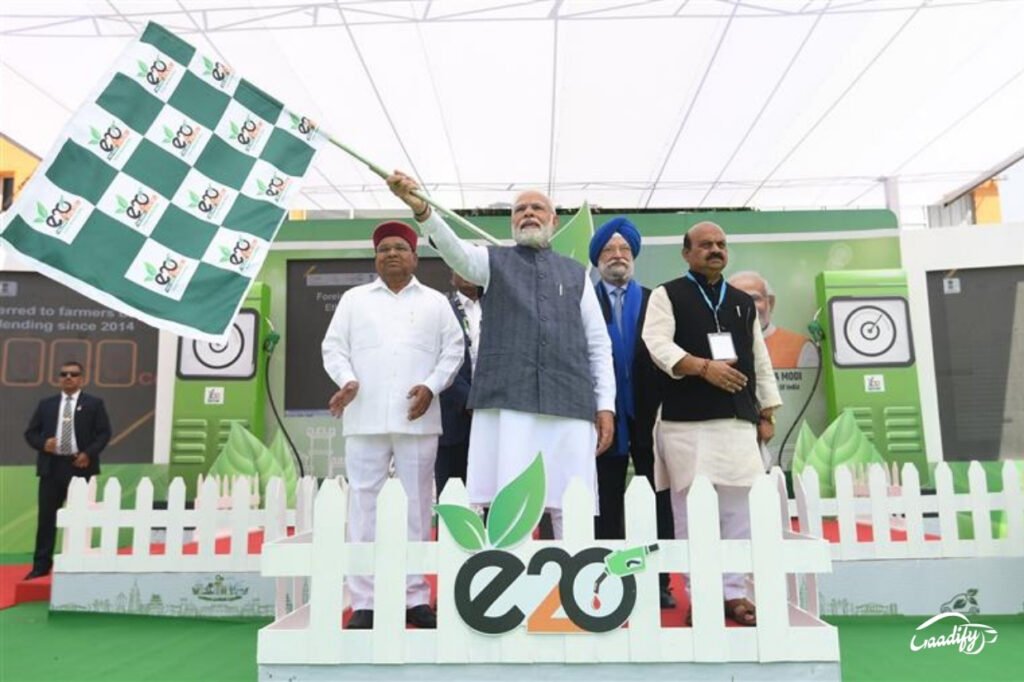
The proposed changes suggest that a higher ethanol blend could be introduced in the near future. Increasing ethanol blending will also require manufacturers to redesign specific components of engines, as ethanol is corrosive in nature. However, the proposed changes will not have any immediate effect. As of now, most vehicles manufactured after April 2023 are E20 compliant. They can also handle ethanol blends up to 30% (E30) without any major setbacks, save for the drop in fuel efficiency. Nevertheless, flex-fuel vehicles may become increasingly common in the near future. However, the government should ensure the availability of a wider range of fuel options so that owners of older vehicles can continue to use their vehicles.
Also Read: India To Shift To WLTP Testing Cycle From April 2027