Tata Motors has finally announced plans to address the shortcomings for which it faced the most criticism. The company admitted that its fast-paced growth and rising vehicle complexity put pressure on product quality and after-sales services. And now, the homegrown has announced to make improvements on this matter.
“We have to prepare the system proactively rather than reactively,” managing director and CEO Shailesh Chandra said. He further added that “There are two stress points as far as product quality is concerned. One is steep growth, which leads to the system coming under stress, and the second is new technology.”
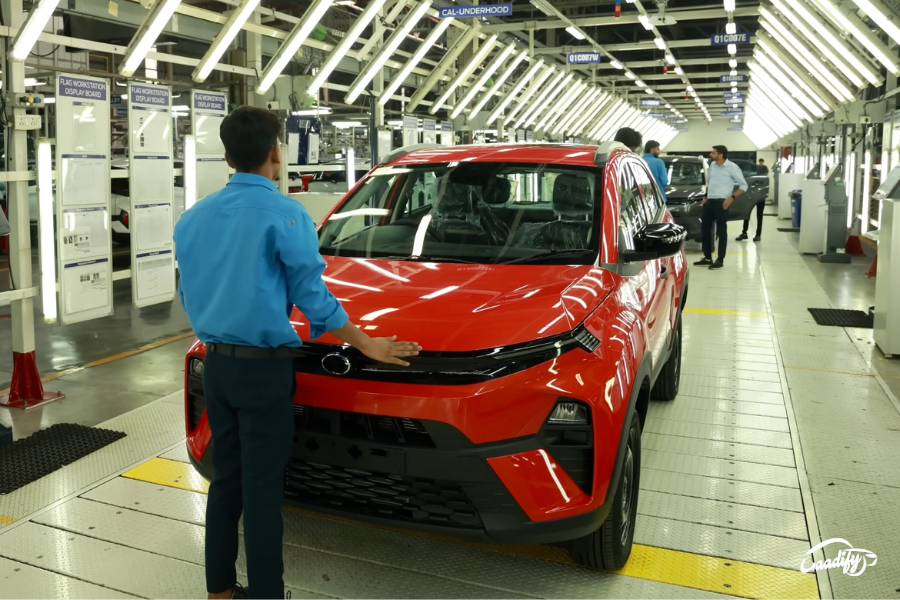
Tata says it has already addressed some of these concerns by cutting nearly 60 per cent through stricter factory quality checks, better logistics, and the use of electronic proof-of-delivery systems. And now, it plans to virtually validate systems before physical testing by utilising hardware-in-the-loop testing, software-in-the-loop validation, and digital twins. Additionally, it intends to leverage AI and telematics data to identify potential flaws early, predict outcomes and optimise the manufacturing process.
It will also introduce AI-based diagnostic tools across its service network to better detect faults, reduce repair time, and minimise recurring issues.
Also Read: Buy The Tata Sierra ICE Version or Wait For The EV? Here’s The Answer
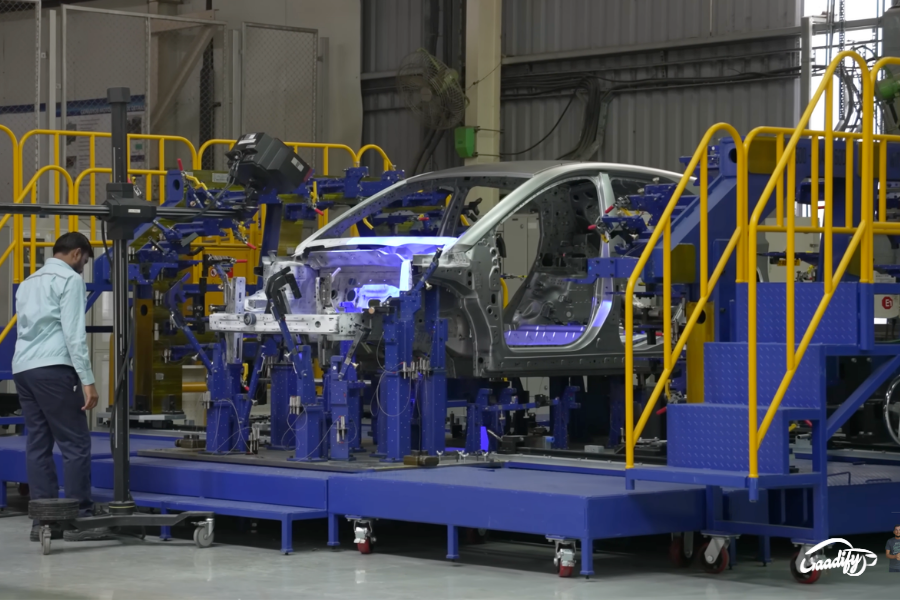
These moves appear to be a step in the right direction. But these measures should have been implemented much earlier, especially given the existing quality concerns.
The real challenge will not be adopting these technologies, but implementing them effectively on a large scale, a task the company has struggled with in the past. Execution, integration and maintaining consistency on the production floor across departments is the key to ensuring better outcomes.
Also Explore: Planning to Buy Tata Altroz CNG? Here’s Some Important News