Delhi EV Policy 2.0 is all set to be implemented from July 1, 2026, and will remain in effect till March 31, 2030. This ambitious EV policy aims to accelerate electric vehicle adoption, especially in segments that significantly contribute to Delhi’s pollution, including commercial vehicles. Here are the details: –
1. Ban on Select ICE Vehicles
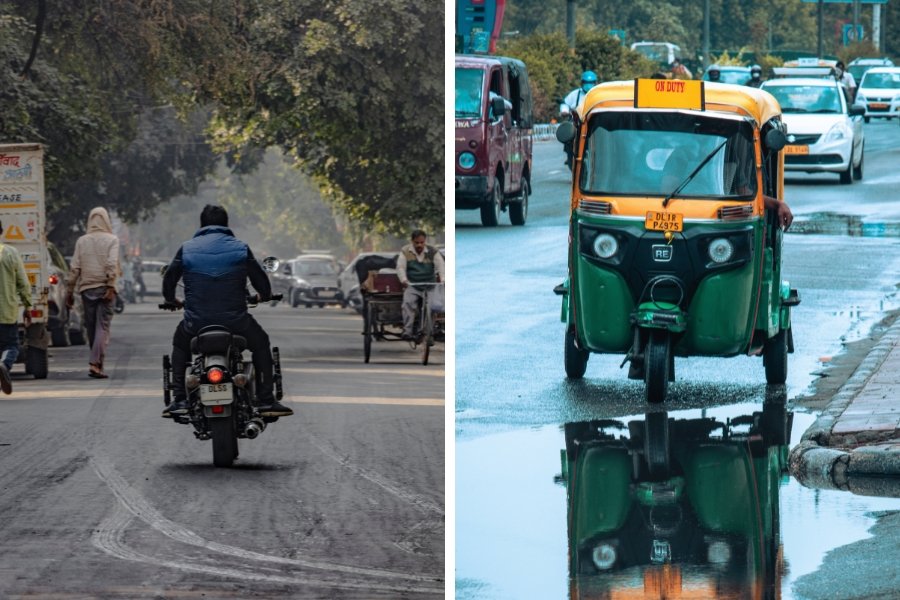
Citing a 2018 study, the Delhi government believes that commercial goods vehicles accounted for 35% of vehicular pollution in the national capital, while 2-& 3-wheelers contrinuted 46%. Citing this report, the government has set strict timelines to phase out petrol and diesel commercial and 2-wheelers & 3-wheelers.
- January 1, 2027: Only electric auto rickshaws and N1 category goods carriers will be eligible for registration.
- April 1, 2028: All 2-wheeler registrations must be electric. This means you will no longer be allowed to purchase ICE-powered 2-wheelers in Delhi from this date.

2. Direct Purchase Incentives
The government has announced direct purchase incentives to push EV adoption in select categories.
- 2W EVs: up to Rs 30,000
- 3W EVs: up to Rs 50,000
- N1 Good Carrier/Electric Trucks: up to Rs 1 lakh
A dedicated online portal will also be launched to easily apply for EV incentives, and the subsidies will be credited straight to buyers via Direct Benefit Transfer (DBT).

3. Up To Rs 1 Lakh Scrappage Bonus
To phase out older vehicles, the Delhi government has announced scrappage incentives ranging from Rs 10,000 to Rs 1 lakh, depending on the vehicle category.
- 2W: Rs 10,000
- 3W: Rs 25,000
- 4W: Rs 1 lakh {limited for the first 1 lakh owners; and will be valid only on new EV purchase of under Rs 30 lakh ex-showroom within 6 months of receiving the Certificate of Deposit (CoD)}
- Gramin Seva Vehicles: Rs 15,000
- N1 Category Trucks: Rs 55,000

4. Tax & Registration Waiver
- Under the Delhi EV Policy 2.0, the govt has announced a 100% wavier on road tax and registration charges for electric cars priced up to Rs 30 lakh (ex-showroom). Earlier, all EVs were exempted from these charges in Delhi.
- EVs priced above Rs 30 lakh (ex-showroom) will attract standard road tax and registration fees.
Also Read: Tata Tiago EV 2026: City EV Buyer’s Complete Guide
5. Electric Adoption Boost In N2 Category
Since heavy trucks contribute significantly to Delhi’s air pollution, the first 1,000 N2 electric trucks (3.5 to 12 tonnes) purchased within three months of the policy notification will receive exemption from Delhi’s “No Entry” timing restrictions, allowing them to operate even during hours when the entry of goods vehicles is restricted due to traffic management or pollution control measures.
6. School Fleet Conversion
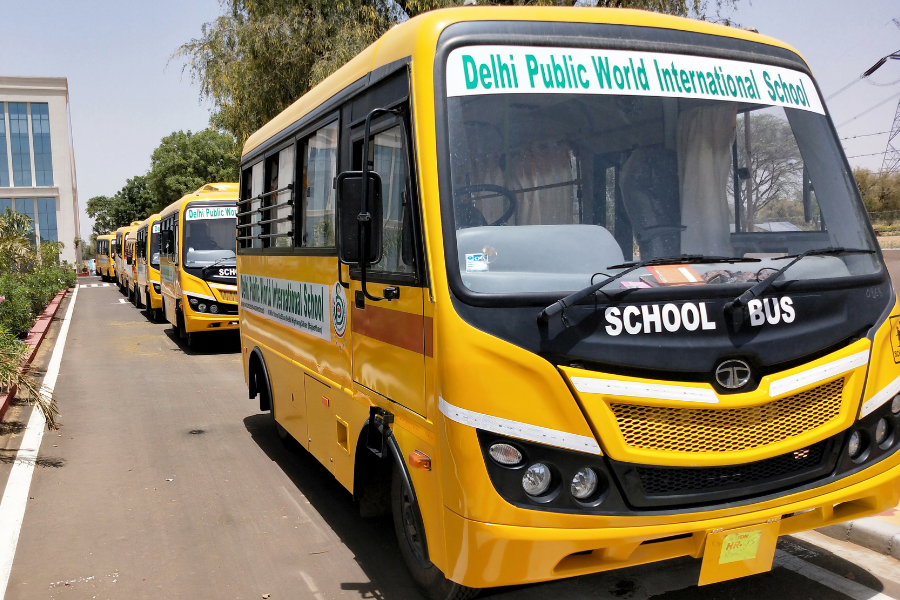
Schools will be required to convert at least 10% of their owned/hired bus fleet to electric within 2 years, 20% wihtin three years, and 30% by March 31, 2030.
7. Charging Infrastructure Expansion
- To support EV adoption, the government has also announced to set up 32,000 charging points across Delhi in the next four years through the PM E-Drive scheme and the Delhi government’s budget.
- According to officials, the land for EV stations has already been identified, and the work will commence in the coming months.
- The government will also make significant investments in public transport electrification.
Worth Exploring: Tata Tiago EV 24 kWh Real-World Range Test

Limitations of Delhi EV Policy 2.0 (2026)
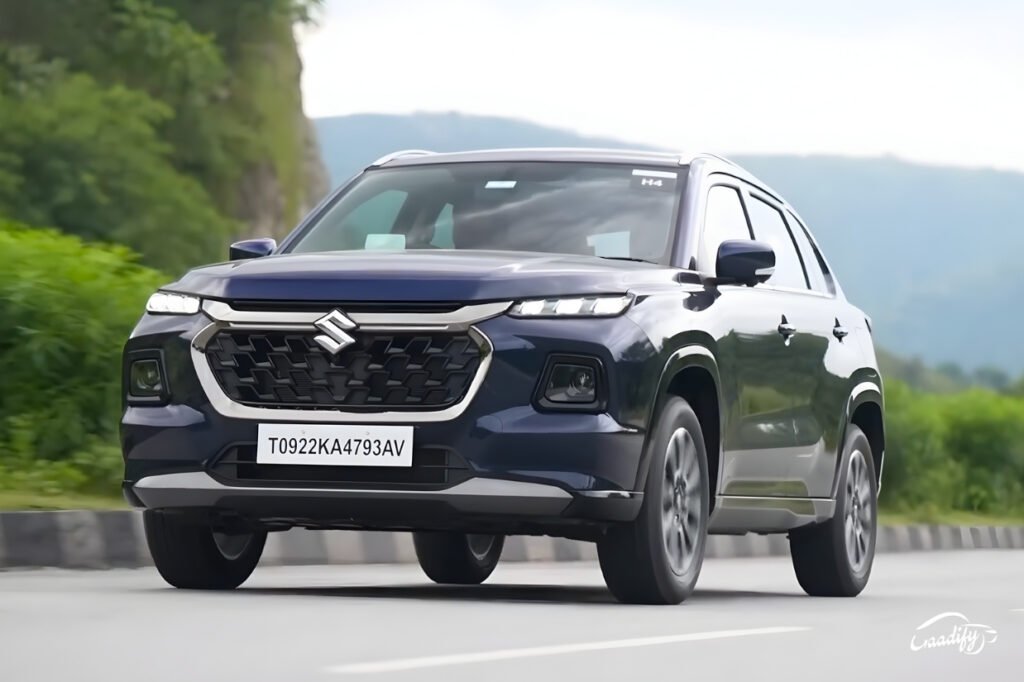
- Strong hybrid vehicles, which mainly run in pure electric mode at low speeds, get incentives.
- Announced benefits are capped for a fixed number of buyers.
- Switching to 100% electric in select categories may cause difficulty for apartment residents due to limited access to dedicated parking and home charging infrastructure.
- There’s no clarity whether flex-fuel 2-wheelers have been exempted from this mandate.
- Switching to electric will be a tough transition for small fleet operators due to high upfront costs and operational challenges.
Also Read: Buy The Tata Sierra ICE Version or Wait For The EV? Here’s The Answer