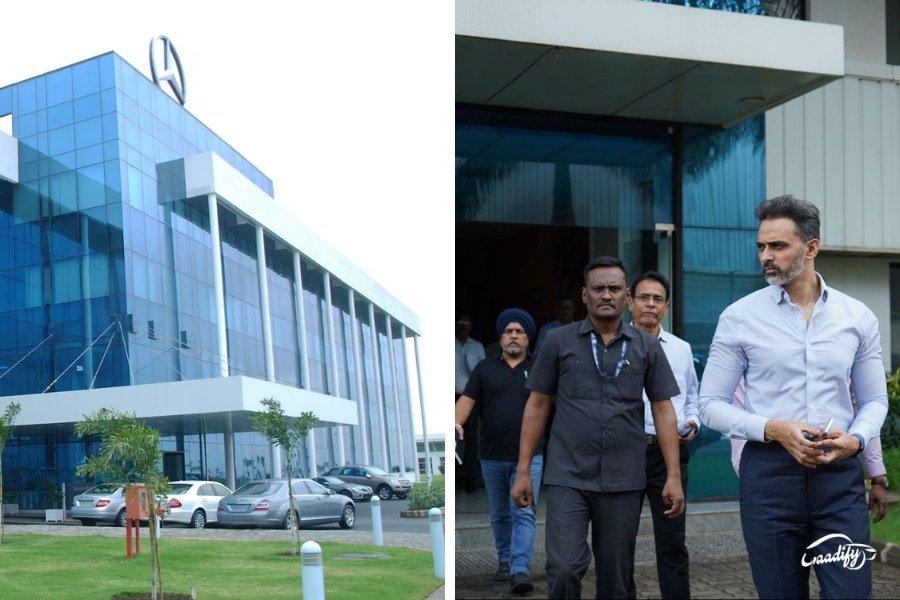
In a recent inspection conducted on August 23, 2024, the Mercedes-Benz assembly plant located in Chakan, Pune, was found to be non-compliant with the pollution control guidelines set by the Maharashtra Pollution Control Board (MPCB). This revelation has raised significant concerns, particularly given Mercedes-Benz’s reputation as a leader in the automotive industry.
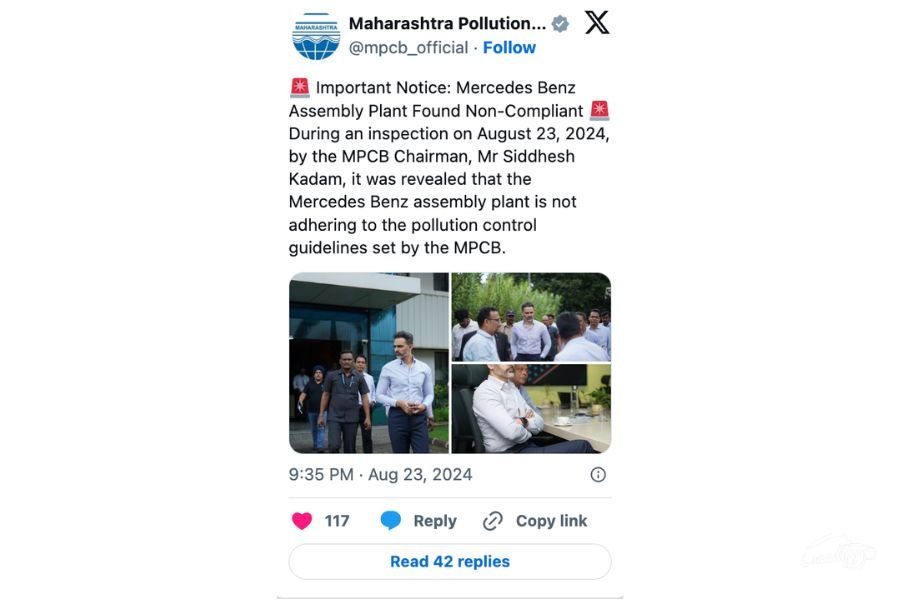
*In a surprising turn of events, the MPCB has deleted the official tweet. Fortunately, we captured a screenshot of it before it was removed, ensuring that the content is preserved.
The inspection highlighted the plant’s failure to adhere to the stringent environmental standards mandated by the government. These guidelines are designed to minimize industrial pollution and ensure sustainable practices in manufacturing. Mercedes-Benz, known for its innovation and commitment to quality, is expected to lead by example in adopting and maintaining eco-friendly production processes. The non-compliance discovered at the Chakan plant marks a concerning deviation from these expectations.
In response to the findings, the MPCB has taken swift action. The regional officer has been instructed to conduct a thorough review of the plant’s operations and enforce the necessary corrective measures. The board’s commitment to upholding high environmental standards is clear, and they expect full cooperation from Mercedes-Benz in rectifying these issues promptly.
Also Read: 2024 Mercedes-Benz EQB Facelift Launched In India
Mercedes-Benz’s Troubled History with Environmental Compliance and Emissions Scandals
This isn’t the first time Mercedes-Benz has faced scrutiny regarding environmental compliance. In 2026, Mercedes-Benz USA was fined $ 1.2 million in civil penalties by the Environmental Protection Agency (EPA) due to significant defects in over 100,000 vehicles manufactured between 1998 to 2006. The fine was imposed after it was discovered that Mercedes had failed to disclose these defects to the EPA, which affected the effectiveness of the vehicle’s emission control systems, leading to higher than permitted levels of pollutants being released into the environment.
Mercedes-Benz was also involved in a high-profile case where it used illegal software, known as a “defeat device,” on its diesel vehicles to cheat emissions tests. Regulatory bodies, including the Environmental Protection Agency (EPA) in the United States, the Korea Fair Trade Commission (KFTC) in South Korea, and various European authorities, scrutinized Mercedes-Benz for potential violations and imposed substantial fines.
All these cases raise concerns about Mercedes-Benz’s commitment to sustainable practices. The current situation underscores the importance of strict adherence to environmental regulations and serves as a reminder of the consequences of non-compliance.
Must Read: Impacts on Environment Due To EV Battery Production
What Is MPCB?
The Maharashtra Pollution Control Board (MPCB) is a statutory organization under the Government of Maharashtra, responsible for implementing environmental laws and regulations in the state. The MPCB plays a crucial role in controlling and reducing pollution levels by regulating industrial emissions, waste management, and other activities that may impact the environment. Its primary objectives include ensuring compliance with air and water quality standards, promoting sustainable development, and safeguarding public health.
Official Statement from Mercedes
In its official statement, Mercedes says that it is ready to cooperate with the authorities and present all the required processes and documentation, and take any corrective actions, if required.
Author’s Take
As the situation develops, both the MPCB and Mercedes-Benz will need to work closely to ensure that the necessary improvements are made. The outcome of this case will be closely watched, not only by environmental authorities but also by the public, who expect global brands like Mercedes-Benz to uphold the highest standards in environmental stewardship.
Also Read: Indian Automobile Industry: Growth and Future Outlook