According to a recent report by the Economic Times, the government of India may exempt electric vehicles (EVs) from the 15-year End of Life (EoL) regulation that currently applies to ICE vehicles. This is to push the adoption of electric vehicles in the country, which slowed down to 7.6% last year. The Government of India has a target to achieve a 30% EV penetration by 2030.
This proposal was discussed in a key meeting with top officials from various ministries, including Niti Aayog, the power ministry and the road transport ministry.
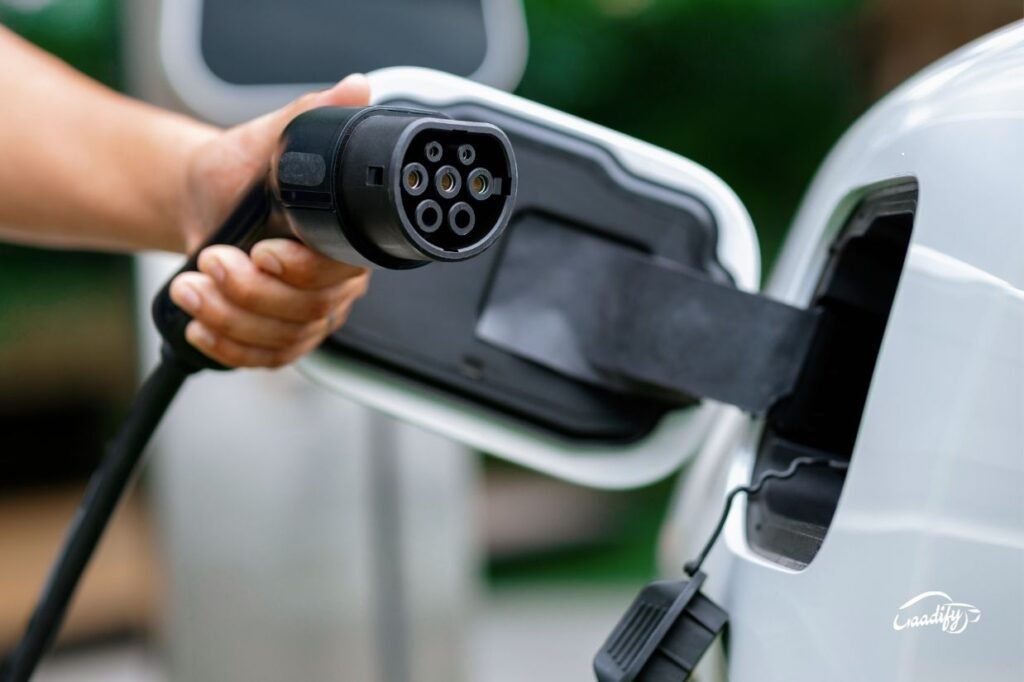
Also Read: EV Charging In Rain: Do’s and Don’ts You Should Know
Currently, EV adoption is growing in the two-wheeler, three-wheeler, and urban bus categories, but remains low for cars and trucks. Removing the 15-year limit for EVs—especially for older buses—could encourage more people and companies to buy EVs.
Other steps being planned by the government include: –
- Expanding Corporate Average Fuel Efficiency (CAFE) norms to cover urban goods vehicles and buses to make conventional transport vehicles cleaner.
- Officials in the meeting agreed that just giving incentives for electric vehicles (EVs) isn’t enough. Instead, they want to push EV use by setting rules and penalties. One idea is to make sure five major cities become hubs for electric buses, goods & delivery vehicles, and shared EVs, supported by the rapid deployment of more fast charging stations.
- Officials also said India should start making more batteries locally, try new battery technologies, and tackle the high initial cost of EVs, especially for electric trucks and buses, by making it easier to get loans or finance.

Bankers at a follow-up meeting led by Financial Services Secretary M Nagarajun pointed out challenges in giving loans for EVs. They suggested that battery costs need to come down and standardisation of batteries is necessary to make financing easier, as batteries are a big part of an EV’s price and need to be replaced every 6-7 years.
In short, the government’s possible decision to remove the 15-year end-of-life rule for EVs aims to make them a better value for buyers, boost demand, and help India reach its green vehicle targets faster. They also want to support better charging infrastructure and battery technology, while encouraging the financial sector to play a bigger role.