India’s automobile industry went through a wave of transformation in 2025. From policy moves to tax restructuring, rollout of some interesting new products and the India debut of some pioneer global brands, the year delivered several defining moments. Here’s a look at the events that shaped the automotive landscape in 2025.
Exemption From Customs Duties
In order to support local EV production, the Union Budget 2025 exempted customs duties on Li-ion battery cells, cathode materials, battery management systems, along with 35 additional capital goods used in EV battery manufacturing.
The central government also lowered import duties on CBU, CKD, and SKD motorcycles with an engine capacity below 1600cc from 100% to 50%.
Import Relaxment for Classic & Vintage Cars
In February 2025, the Ministry of Commerce and Industry relaxed import rules for vintage and classic cars, allowing vehicles aged 50 years or older to be imported without any licence, making the process much simpler for automobile collectors and enthusiasts who want to bring time-honoured marvels.
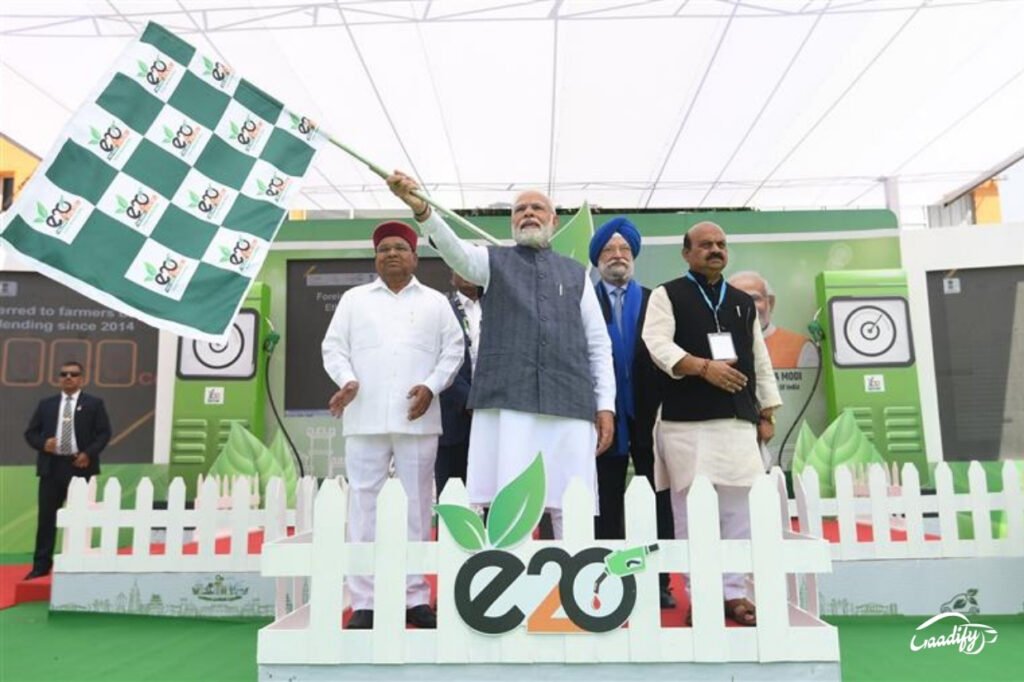
E20 Roll-out
From April 2025, the E20 fuel (petrol with 20% ethanol) became mandatory nationwide. This was to reduce crude oil imports while supporting the agriculture sector. But since ethanol is more corrosive and has a lower energy density than petrol, owners of non-E20-compliant vehicles started raising concerns over compromised fuel efficiency, as well as breakdown & rusting issues.
India-UK FTA
July saw the signing of the India–UK Free Trade Agreement (FTA), a move set to reshape the automotive landscape for both markets. Under the deal, import duties on luxury cars and large-engine-capacity motorcycles will be slashed from 110% to just 10% over a five-year period through a quota-based system with gradually increasing volumes. This is expected to bring significant price relief for UK-manufactured premium brands such as Aston Martin, Bentley, McLaren, Jaguar Land Rover, and Rolls-Royce.
On the other hand, the UK will eliminate import duties on Indian electric vehicles from the sixth year of the agreement, creating a fresh export opportunity for domestic automakers. Maruti Suzuki has already begun exporting the made-in-India e-Vitara to the UK and plans to add the Victoris to its export lineup, while Tata Motors and Mahindra are also well-positioned to benefit from these new export channels.

Entry of Global EV Players
Global EV giant, Tesla Inc., finally made its way to the Indian market in mid-2025 with the launch of Model Y. The brand also opened two showrooms in the country, one in Mumbai and the other in Delhi.
Vietnamese automaker Vinfast also forayed into the Indian market in November, launching the VF6 and VF7 premium electric SUVs in the cut-throat midsize segments. The brand also has plans to launch electric buses and two-wheelers from 2026.
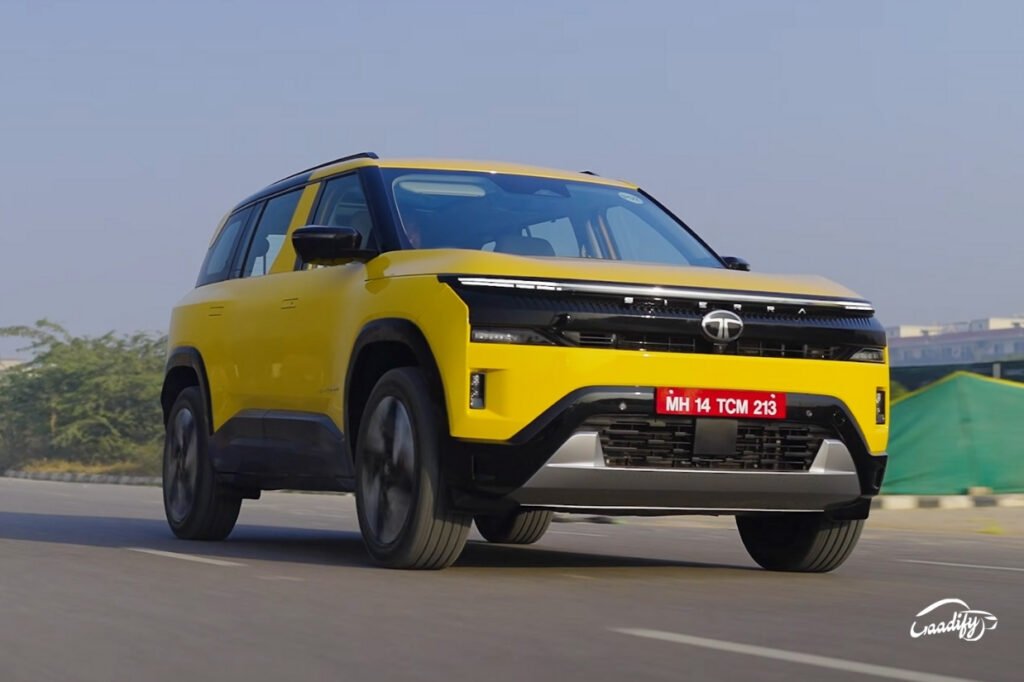
Old nameplate in Modern Avatar
The arrival of the Tata Sierra marks a major milestone for the Indian automotive industry, bringing back an iconic nameplate that once defined lifestyle SUVs in the country. Reimagined for a new generation, the Sierra’s return signals Tata Motors’ intent to blend nostalgia with modern design, advanced technology, and electrification, making it one of the most anticipated launches in recent years. Its comeback not only strengthens Tata’s future-ready portfolio but also highlights the growing demand for distinctive, design-led SUVs in India.

New arrivals, old nameplates
While policy dominated the narrative, the year still delivered several notable milestones. Multiple long-running nameplates, such as the Hyundai Creta, Toyota Innova, Maruti Swift, Alto, and Mahindra Bolero, celebrated major anniversaries, reinforcing their continued relevance in a rapidly evolving market.