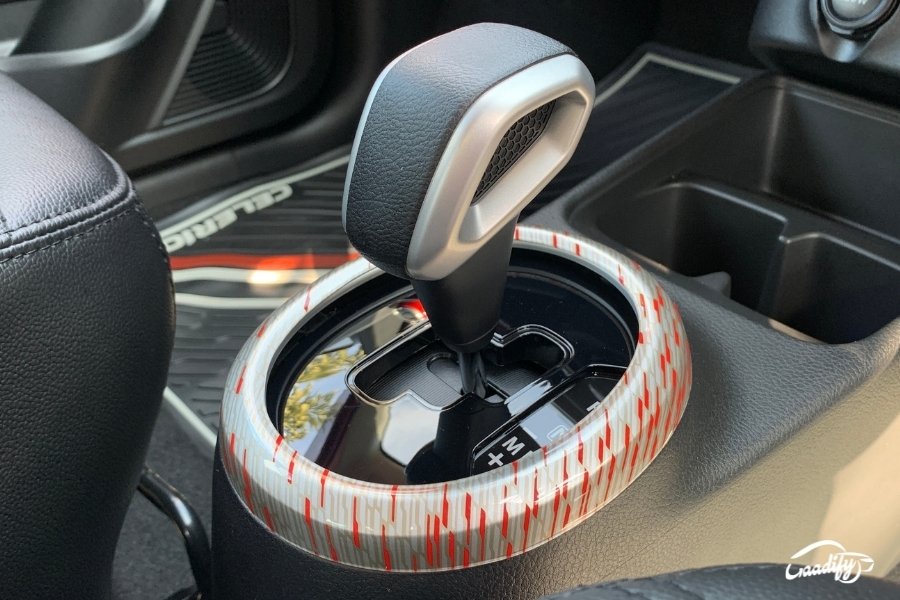
Touted as the common man’s automatic transmission, the AMT is basically an automated manual transmission, i.e., it’s built on the same grounds as a manual transmission but takes away the hassle of a clutch. Coming at an incremental cost of around Rs 50,000 – Rs 90,000 over regular manual transmissions, they are highly affordable and have successfully brought the convenience of automatic transmissions to the general public.
Also Read: Types Of Automatic Transmission Explained
AMT (Automated Manual Transmission) – How does it work?
The functioning of the AMT is pretty similar to the manual transmission, but instead of a clutch being used to change the gears, there is a built-in hydraulic actuator that does the work of changing gears. This actuator is linked to the car’s ECU, which is then responsible for telling the car when to engage or disengage the clutch.
The gear ratios are pre-programmed within the ECU and are based on RPMs. After a specific RPM limit, it performs an upshift, and below a certain rpm, it conducts a downshift.
Also Read: Tata Punch, Nexon, and Altroz iTurbo To Get DCT Automatic Transmission Soon
Advantages of AMT
- Highly convenient in use, especially in bumper-to-bumper traffic.
- More fuel-efficient than a regular manual transmission.
- Doesn’t carry a significant premium over its manual counterpart.
- Low maintenance when compared to other automatic transmissions.
Disadvantages of AMT
- Since AMT relies on preset RPM levels, you should plan overtakes accordingly.
- Could be noisy.
- Shifts are not as smooth as other automatic transmissions.
- Not recommended for speed enthusiasts.
Verdict on AMT’s
Due to their technology, AMT does not offer quick shifts, so it might feel laggy or slow during those quick overtake moments. However, it is a great savior in everyday city driving scenarios, especially during peak traffic hours, and is well worth the incremental cost.