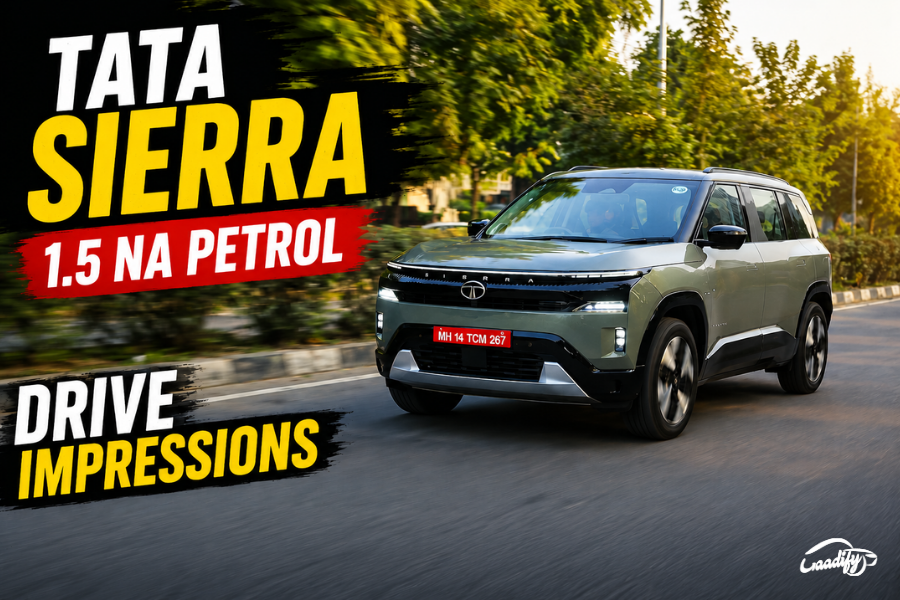
The iconic Tata Sierra nameplate made its comeback in late 2025, with prices starting ranging between Rs 11.49 lakh and Rs 21.29 lakh (ex-showroom). The Creta-rivalling mid-size SUV is being offered with three engine options, including two petrol and one diesel. We recently had the chance to drive the 1.5-litre naturally aspirated petrol engine of the 2026 Tata Sierra, and here’re our seven key observations after driving it.
But before we dive into details, you should know that we have driven the Tata Sierra Accomplished manual variant, which is the top-spec trim if you’re eyeing the N.A. petrol engine.
Different Fit & Finish Levels Across Variants
There’s no doubt that the Sierra is one of the most premium-looking SUVs in Tata’s entire portfolio. The brand has spruced up the interior with piano black elements, along with textured and soft-touch materials, which elevates the overall plush feel inside the cabin. But on closer inspection, we find different fit & finish levels across the variant lineup. While elements like flimsy door armrests and poor finishing around the wireless chargers are nearly consistent in all trims, the panels near the footwell area and door pockets were too fragile-built in the lower-spec trim, which shouldn’t be the case. In fact, certain plastic panels do not align as neatly as expected. Moreover, some customers have also reported rusting issues around the joint areas. Additionally, the mobile phone pad in the center console does not hold the phone securely and under hard braking or while cornering, the phone slips out and rattles around the cabin.
Well Equipped
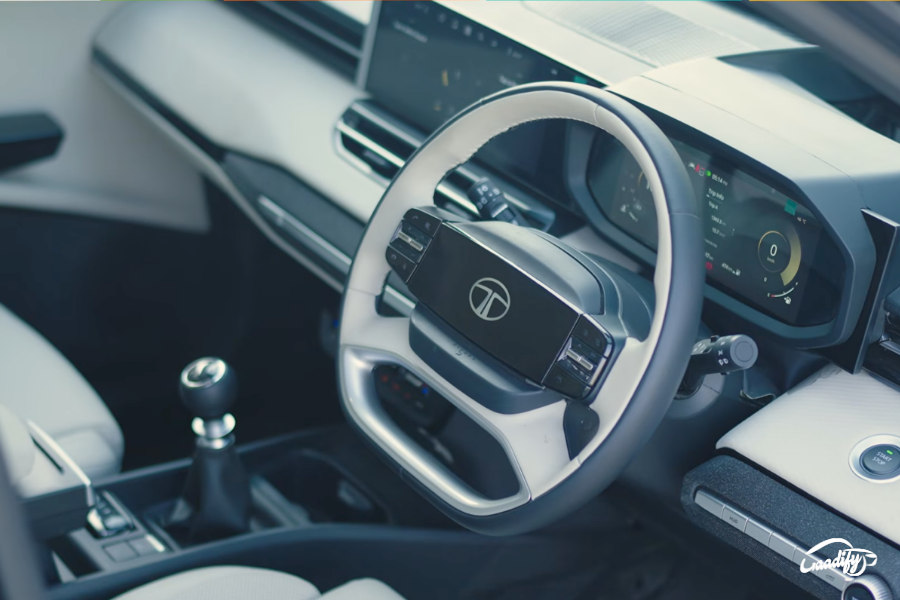
Despite being a second-from-the-top trim, it is very well equipped, and gets all the premium amenities like heads-up display with multicolour guides, rain-sensing wipers, auto headlamps, dual-zone AC, front ventilated seats, 6-way powered driver seat, BOSS mode, thigh-support extender for front seats, rear adjustable headrests, 2-step rear reclining seats with 60:40 split fold function, rear window sunshades, extendable 8-way sunvisor, panoramic sunroof, wireless charger, puddle lamps, express cooling function, two front 65W USB type C (Multimedia + Charging), twin connected display setup for infotainment and instrument cluster, 12 speaker JBL sound system with a sound bar and Dolby Atmos support, 13 audio modes, 360-degree camera with blind-spot monitoring, front & rear parking sensors, and Level-2 ADAS suite with 13 features, including adaptive cruise control and auto emergency braking.
Lethargic Engine
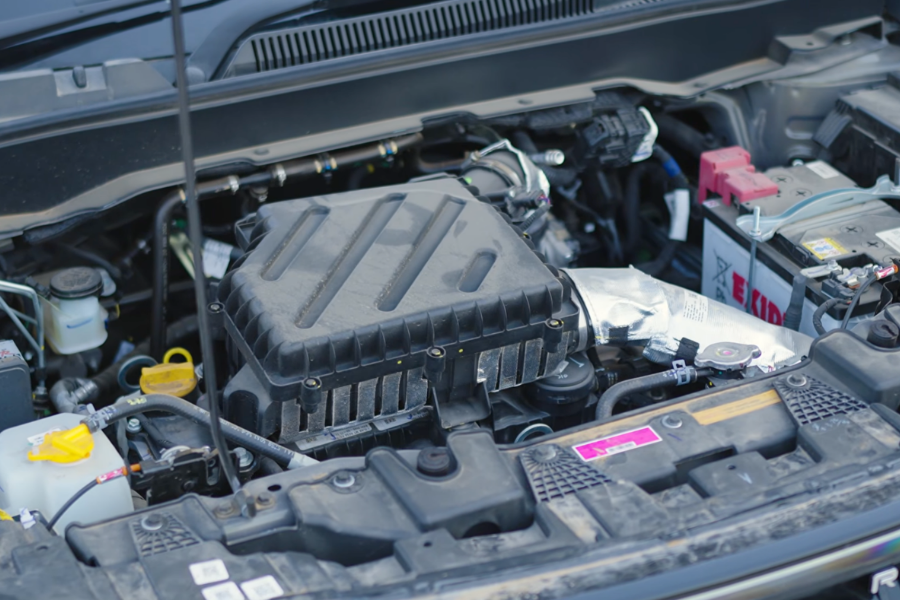
Performance is a mixed bag in Sierra. While its 1.5-litre turbo-petrol engine delivers strong performance, and you can drive it in an easygoing manner, the naturally aspirated engine feels very lethargic.
While this engine helps Tata to price the SUV at an affordable range (Rs 11.49 – 17.99 lakh), its output figures (106PS/145Nm) aren’t actually thrilling at all. The brand claims its peak torque output comes at nearly 2100rpm, but due to its hefty kerb weight of around 1.4 tonnes and poor power-to-weight ratio, it dosen’t translate much on to the ground. Its acceleration feels sluggish and quick overtakes requires careful planning. Neverthless, its manual gearbox feels smooth and the shifts feels precise. Additionally, unlike the automatic variant, the manual version features a deicated switch to engage and disengage the electronic parking brakes, which enhance the overall convenience.
Base For Future Hybrid
This 1.5 litre, 4-cylinder naturally aspirated (NA) petrol engine of the Sierra is based on the Atkinson cycle. Such engines are actually used with an electric motor in hybrid application. However, Tata isn’t offering a hybrid system, at least for now. It is expected to be offered sometimes in the future.
Related: Battle of the New SUVs: 2026 Kia Seltos vs Tata Sierra
Ride Quality
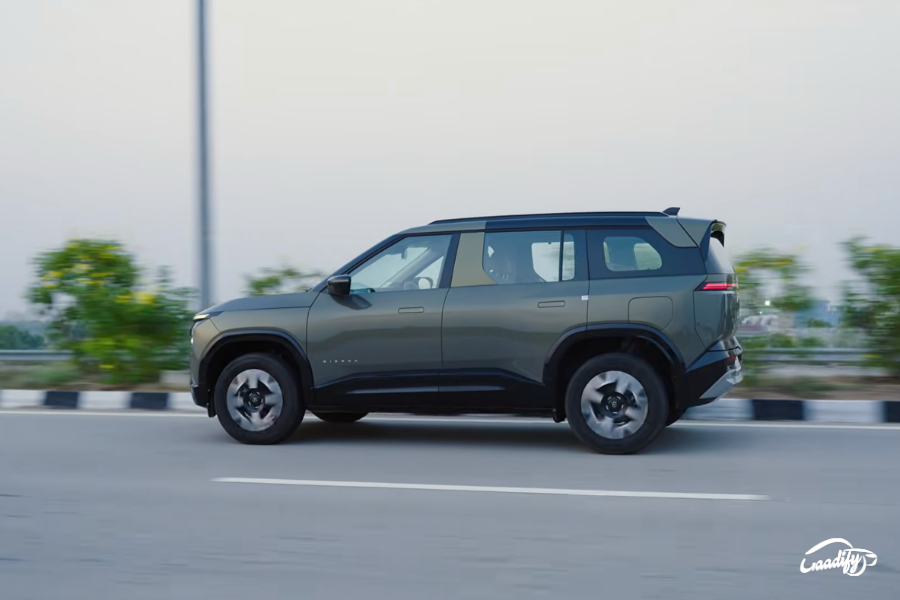
Ride quality is where the Tata Sierra really shines. Compared to the top-spec Accomplished+ variant which comes with larger 19-inch alloy wheels, the Accomplished trim comes with smaller 18-inch units, which makes a big difference in real-world usage. Its frequency-selective damping (FSD) feels tight and just glide over potholes and bad roads. At high speeds, it feels composed and body rolls are also well controlled.
Low Fuel Efficiency in the City
The Atkinson cycle engines are primarily designed for better fuel efficiency,; however, being heavier, the Sierra returns approximately 8 km/l in city and 17 km/l on highways. However, its MID is programmed in such a manner that it do not display figures below 8kmpl, which can be misleading in real-world conditions.
Hectic Service Schedule
Like every Tata car, the Sierra requires a visit to the service centre every 6 months or 7,500 km (whichever comes earlier), which isn’t the case with its rivalling SUVs. While it adds added layer of protection, this six-monthly service schedule adds a financial burden in the long run. Additionally, it increases the workload on the brand’s service centres, which are already under heavy operational pressure.
Final Verdict
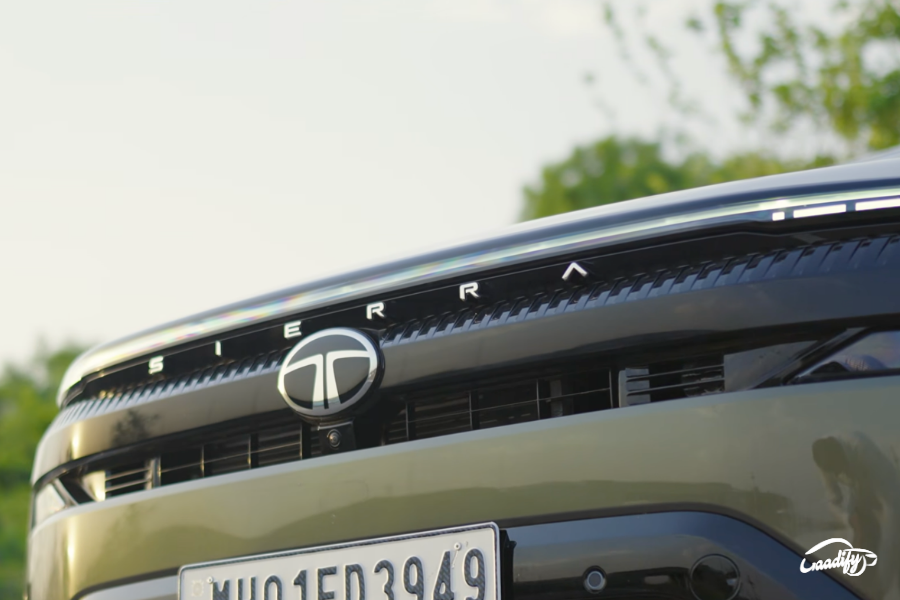
On paper, the Tata Sierra Accomplished 1.5 naturally aspirated variant offers everything that most buyers look for. It feels plush, has plenty of space inside the cabin, well-equipped with premium features, and offers excellent ride quality. But there are areas which could be improved, which we have mentioned above. That said, we come to the following conclusion who should consider the Sierra N.A. and who shouldn’t:-
| Who Should Buy? | Who Should Avoid? |
| – Those looking for a comfortable, feature-loaded SUV, with great emphasis on the safety, cabin space, and plush ride quality, the Tata Sierra is for you. | – Buyers who have high running, seek reliability, sophostication and high resale value should avoid the Sierra. |
Must Read: Tata Sierra vs Hyundai Creta – Which One Is a Better Bet?